 call us :
  send a message :





-
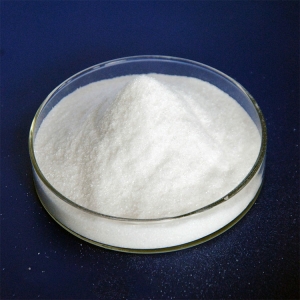
Sodium Linear alpha olefin sulfonate(AOS powder)CAS No.: 68439-57-6
Name: Sodium linear alpha olefin sulfonate; Alpha-olefin sulfonate;(AOS-35);(AOS/35) CAS No.: 68439-57-6 Appearance: White or yellowish powder Molecular formula: R-CH=CH-(CH2)n-So3NaTags : Sodium Linear alpha olefin sulfonate(AOS powder)CAS No.: 68439-57-6 AOS powder CAS No.: 68439-57-6 BIO-TERGE AS-40 CAS No.: 68439-57-6 Alpha-olefin sulfonate CAS No.: 68439-57-6 Sulfonic acids, C14-16-alkane hydroxy and C14-16-alkene, sodium salts CAS No.: 68439-57-6 Sulfonic acids C14-16 CAS No.: 68439-57-6
-
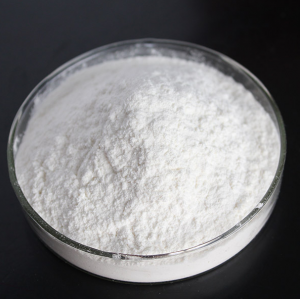
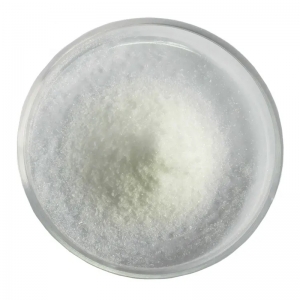
Sodium Lauryl Sulfate (K12 powder) CAS No.: 151-21-3
Name: Sodium Lauryl Sulfate; K12 powder; Sodium dodecyl sulfate; SDS; SLS;WAQE CAS No.: 151-21-3;12765-21-8;12738-53-3;1334-67-4 Appearance: White or yellowish powder Molecular formula: RO- SO3NaR=C12-14alkylTags : Sodium Lauryl Sulfate (K12 powder) CAS No.: 151-21-3 Sodium dodecyl sulfate CAS No.: 151-21-3 SDS CAS No.: 151-21-3 SLS CAS No.: 151-21-3 WAQE CAS No.: 151-21-3 151-21-3;12765-21-8;12738-53-3;1334-67-4
-
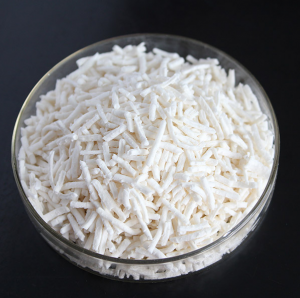
Sodium Lauryl Sulfate (K12 needle) CAS No.: 151-21-3
Name: Sodium Lauryl Sulfate; K12 needle; Sodium dodecyl sulfate; SDS; SLS;WAQE CAS No.: 151-21-3;12765-21-8;12738-53-3;1334-67-4 Appearance: White or yellowish powder Molecular formula: RO- SO3NaR=C12-14alkylTags : Sodium Lauryl Sulfate (K12 needle) CAS No.: 151-21-3 Sodium Lauryl Sulfate CAS No.: 151-21-3 K12 needle CAS No.: 151-21-3 CAS No.: 151-21-3
-
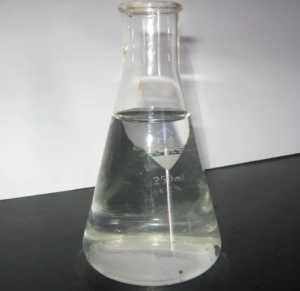
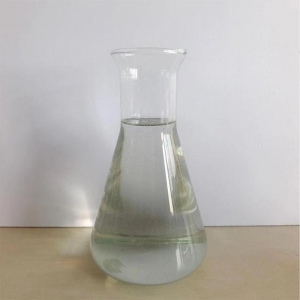
Sodium Silicate CAS No.: 1344-09-8
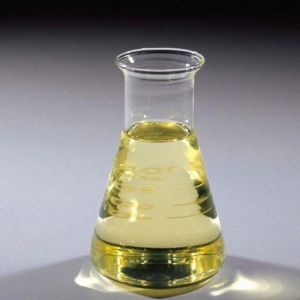
Name: Sodium silicate CAS No.: 1344-09-8;106985-35-7;11105-00-3;37299-97-1;12013-79-5 Appearance: Colorless, slightly colored transparent, semi transparent viscous liquid Molecular formula: Na2O·nSiO2Tags : Sodium Silicate CAS No.: 1344-09-8 Britesil CAS No.: 1344-09-8 Agrosil S CAS No.: 1344-09-8 1344-09-8;106985-35-7;11105-00-3;37299-97-1;12013-79-5 Silicic acid, sodium salt Sodium silicate solution
-
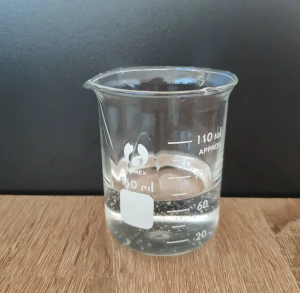
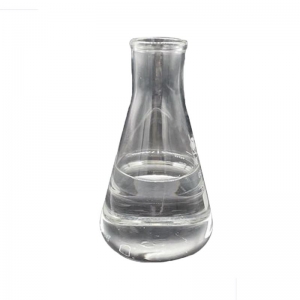
Fatty alcohol polyoxyethylene ether CAS No.: 111-09-3
Name: Fatty alcohol polyoxyethylene ether CAS No.: 111-09-3 Appearance: Colorless Transparent Liquid Molecular formula: R-O-(CH2-CH2-O)n-HTags : Fatty alcohol polyoxyethylene ether CAS No.: 111-09-3 AEO-9 CAS No.: 111-09-3 AEO CAS No.: 111-09-3 AEO surfactant surfactant AEO manufacturer
-
GLUCOSAMINE SULFATE SODIUM CHLORIDE
GLUCOSAMINE SULFATE SODIUM CHLORIDE usually exist in the form of white crystalline powder, which is soluble in water, slightly soluble in methanol, and insoluble in organic solvents such as ethanol. GLUCOSAMINE SULFATE SODIUM CHLORIDE, as derivatives of glucosamine, are mainly used for the treatment or prevention of joint diseases such as arthritis and rheumatoid arthritis. Its mechanism of action includes stimulating chondrocytes to produce proteoglycans, inhibiting the activity of joint cartilage degrading enzymes, thereby helping to improve joint function and delaying the narrowing of joint spaces. In clinical applications, it is often used in combination with chondroitin sulfate to enhance its effectiveness. In addition, it is also used in health products, cosmetics (such as beauty creams, shampoo additives), and agricultural fields (such as plant growth regulation)Tags : GLUCOSAMINE SULFATE SODIUM CHLORIDE GLUCOSAMINE SULFATE SODIUM CHLORIDE health products health products GLUCOSAMINE SULFATE SODIUM CHLORIDE GLUCOSAMINE SULFATE SODIUM CHLORIDE manufacturer GLUCOSAMINE SULFATE SODIUM CHLORIDE USP grade GLUCOSAMINE SULFATE SODIUM CHLORIDE GMP factory
-
FATTY ALCOHOL ETHOXYLATE 1EO (AEO-1/AEO1) CAS No:111-09-3
AEO-1 is a product with an ethylene oxide (EO) addition number of 1 in the fatty alcohol polyoxyethylene ether series. It belongs to the very low EO type non-ionic surfactant, and its chemical formula is (R is usually a fatty hydrocarbon group, commonly used as raw materials such as lauryl alcohol and coconut oil). 1、 Core Features Appearance and solubility At room temperature, it is a light yellow transparent oily liquid that is almost insoluble in water, but easily soluble in organic solvents such as ethanol, ether, petroleum ether, and oily substances. It has strong lipophilicity and weak hydrophilicity. The hydrophilic lipophilic balance (HLB) value is extremely low, about 4-6, belonging to the category of water in oil (W/O) emulsifiers. surface activity The ability to reduce oil-water interfacial tension is outstanding, but the effect of reducing water surface tension is weak, and it does not have the cleaning and wetting functions of water-soluble surfactants. It has good stability to acid, alkali, and hard water, and the polyoxyethylene chain is not easily broken at high temperatures (>100 ℃), with stable performance. Mild and environmentally friendly Low skin irritation and high biodegradation rate (consistent with other AEO models, reaching over 90%), meeting environmental requirements. 2、 Main purpose Due to its extremely poor water solubility, AEO-1 is rarely used alone and is mainly used as an oil phase additive in combination with other surfactants. Typical application scenarios are as follows: Industrial emulsion system As a water in oil (W/O) emulsifier, it is often used to prepare lubricating grease, cutting fluid, asphalt emulsifier, etc. to help disperse a small amount of water into the oil phase system to form a stable lotion. Can be used as an auxiliary emulsifier for pesticide emulsion (EC), compounded with high EO AEO or anionic emulsifiers to enhance the stability and dispersibility of the emulsion. Textile and Leather Industry As a component of fiber oil, it is used in the spinning process of synthetic fibers (polyester, nylon) to provide lubrication, anti-static effect, and reduce fiber breakage rate. Emulsifying agents used as fatliquoring agents in leather processing help oil penetrate evenly into leather fibers and enhance leather softness. Personal Care and Daily Chemicals A small amount is used in oil-based cosmetics (such as makeup remover, oily face cream) as a co emulsifier to improve the ductility and stability of the oil system and avoid product stratification. It can be used as solubilizer of essence and essential oil to help oil soluble active ingredients disperse in low water system. 3、 Differences from similar low EO models AEO-1, AEO-3, and AEO-5 belong to the low EO type, but have stronger lipophilicity. The specific comparison is as follows: Type EO Bonus Number Hlb Value Water-Soluble Core Functional Differences AEO-1 1 4~6 Practically Insoluble Strong Oil Solubility, Only Used As W/O Emulsifier And Oil Phase Additive AEO-3 3 7~8 Slightly Soluble In Water Can Form Turbid Liquid With Water, With Stronger Emulsifying And Dispersing Functions AEO-5 5 9~10 Dispersed In Water Under Stirring Having a Certain Degree Of Hydrophilicity, It Can Be Used As An Auxiliary Emulsifier For Oil In Water (O/W)Tags : FATTY ALCOHOL ETHOXYLATE 1EO AEO-1/AEO1 CAS No:111-09-3 AEO1 CAS No:111-09-3 AEO/1 CAS No:111-09-3 Fatty alcohol polyoxyethylene ether
-
FATTY ALCOHOL ETHOXYLATE 7EO(AEO-7/AEO7) CAS No: 111-09-3
AEO-7 is a middle EO type non-ionic surfactant in the fatty alcohol polyoxyethylene ether series, which is formed by addition polymerization of fatty alcohols (commonly known as lauryl alcohol and cocoyl alcohol) with 7 ethylene oxide (EO) molecules. Its chemical formula is. Its hydrophilic and oleophilic balance value is moderate, and it has multiple functions such as decontamination, emulsification, and wetting, making it a widely used model in the industrial and daily chemical fields. 1、 Core physical and chemical properties Appearance and solubility At room temperature, it is a milky white paste or light yellow viscous liquid that is easily soluble in water and forms a transparent solution after dissolution; It is also soluble in polar organic solvents such as ethanol and ethylene glycol, but difficult to dissolve in non-polar solvents such as petroleum ether. The hydrophilic lipophilic equilibrium value (HLB value) is about 10-12, which belongs to the oil in water (O/W) emulsifier. It can effectively disperse the oil phase into the water phase to form a stable lotion. Key performance parameters Hydroxyl value: approximately 105~115 mgKOH/g PH value (1% aqueous solution): 5.0~7.0 (neutral) Cloud point (1% aqueous solution): about 40-50 ℃ (Cloud point refers to the temperature at which a non-ionic surfactant aqueous solution becomes turbid, and surface activity decreases after exceeding the cloud point) Moisture content: ≤ 1.0% Chemical stability and mildness Acid resistant, alkali resistant, and hard water resistant, with stable performance in the pH range of 3-11. It is not easily combined with calcium and magnesium ions to produce precipitation, which is superior to anionic surfactants. Low irritation to the skin and eyes, with a biodegradation rate of over 90%, meeting environmental and daily chemical safety standards. High temperature stability is good, but when the temperature exceeds 120 ℃, the polyoxyethylene chain may slowly degrade, and long-term high-temperature environments should be avoided. 2、 Main purpose AEO-7 can be used alone or combined with anionic and cationic surfactants to enhance efficiency. Its application scenarios cover daily chemical, textile, industrial cleaning and other fields Daily chemical washing field As the core ingredient of medium and low foam detergent, it is used in washing liquid, hand sanitizer, tableware cleaner and other products, with moderate detergency, controllable foam amount, easy rinsing and no residue, and mild without hurting hands. Can be used in hair care products (such as hair conditioners) to emulsify, smooth, and improve hair combing. Textile printing and dyeing industry Used as a fabric wetting agent and detergent, in the pre-treatment process of printing and dyeing (desizing, boiling, bleaching), it helps the auxiliary agents quickly penetrate the fibers and improve the cleaning effect; It can also be used as a dyeing leveling agent to prevent dye aggregation and avoid fabric color distortion and color difference. Spinning oil used for synthetic fibers, with both lubrication and anti-static functions, reducing fiber breakage and entanglement. Industrial cleaning and metal processing As a component of metal cleaning agents, it is used to clean oil stains and dust on the surface of mechanical parts. It is resistant to hard water and non corrosive, and there is no residue on the metal surface after cleaning. Can be used for emulsified cutting fluid, providing emulsification, lubrication, and cooling effects, stabilizing the cutting fluid system, and extending its service life. Agriculture and Coatings Industry Used as a wetting and dispersing agent for pesticide wettable powders (WP) and water emulsions (EW) in agriculture, it helps pesticide particles quickly wet and disperse, enhancing their adhesion and efficacy on crop surfaces. As an emulsifier and dispersant in the production of coatings and inks, it promotes the uniform dispersion of pigments, enhances the leveling and stability of coatings. 3、 Comparison with EO models in the same series Type EO Bonus Number Hlb Value Cloud point (1% aqueous solution) Core Functional Differences AEO-7 7 10~12 40~50℃ Low foaming, wetting, emulsifying, suitable for medium and low temperature cleaning AEO-9 9 12~13 50~60℃ High cleaning power, high emulsification, and wider application AEO-10 10 13~14 60~70℃ High water solubility, strong stain removal, suitable for high-temperature cleaningTags : FATTY ALCOHOL ETHOXYLATE 7EO(AEO-7/AEO7) CAS No: 111-09-3 FATTY ALCOUOL ETHOXYLATE 3mol (LAURETH-3) LAURETH-3 CAS No: 111-09-3 Peregal CAS No: 111-09-3
-
FATTY ALCOUOL ETHOXYLATE 10EO (AEO-10/AEO10) CAS NO:111-09-3
AEO-10 is a non-ionic surfactant of medium to high EO type in the fatty alcohol polyoxyethylene ether series. It is formed by addition polymerization of fatty alcohols (mainly lauryl alcohol and cocoyl alcohol) with 10 ethylene oxide (EO) molecules. Its chemical formula is. Its hydrophilicity is superior to AEO-7 and AEO-9, and it has the characteristics of strong stain removal, high emulsification, and high temperature resistance. It is a commonly used high-efficiency surfactant in the fields of daily chemical and industrial cleaning. 1、 Core physical and chemical properties Appearance and solubility At room temperature, it is a milky white paste like or light yellow viscous liquid, and when the temperature is above 45 ℃, it becomes a transparent liquid; Highly soluble in water, it forms a clear and uniform solution upon dissolution. It is also soluble in polar organic solvents such as ethanol and propylene glycol, but difficult to dissolve in non-polar solvents such as petroleum ether. The hydrophilic lipophilic balance (HLB) value is about 13-14, belonging to the oil in water (O/W) type emulsifier, with strong emulsifying ability and the ability to stably disperse high proportion oil phase systems. Key performance parameters Hydroxyl value: about 80-90 mgKOH/g PH value (1% aqueous solution): 5.0~7.0 (neutral) Cloud point (1% aqueous solution): about 60-70 ℃ (cloud point higher than AEO-7 and AEO-9, suitable for medium and high temperature cleaning scenarios, surface activity decreases after exceeding the cloud point, and can be restored by cooling) Moisture content: ≤ 1.0% Surface tension (0.1% aqueous solution, 25 ℃): about 30-33 mN/m Chemical stability and mildness Acid resistant, alkali resistant, and hard water resistant, with stable performance in the pH range of 3-12. It is not easily combined with calcium and magnesium ions to form precipitates and has stronger adaptability than most anionic surfactants. Low irritation to the skin and eyes, with a biodegradation rate of over 90%, meeting the safety standards for cleaning daily chemical and food processing equipment. High temperature stability is good, and the performance is stable when the temperature is below 120 ℃. Long term exposure to an environment above 120 ℃ can lead to the degradation of polyoxyethylene chains and reduce surface activity. 2、 Main purpose AEO-10 can be used alone or in combination with anionic (such as LAS, AES) and cationic surfactants to enhance efficiency. Its application scenarios cover multiple industries Daily chemical washing field As the core and efficient cleaning ingredient of laundry detergent, laundry powder, and dishwashing detergent, its cleaning power is superior to AEO-9, especially suitable for cleaning heavy oil contaminated clothes and tableware; Foam is rich and easy to rinse. It is gentle and does not hurt hands. It is often used in high-end washing products. It is used for personal care products such as shampoo and shower gel. It has both cleaning and emulsifying functions, can help dissolve oil soluble essence and plant extracts, and improve product stability. 3、 Comparison with EO models in the same series Type EO Bonus Number Hlb Value Cloud point (1% aqueous solution) Core Functional Differences AEO-7 7 10~12 40~50℃ Low foaming, wetting, emulsifying, suitable for medium and low temperature cleaning AEO-9 9 12~13 50~60℃ High cleaning power, high emulsification, and wider application AEO-10 10 13~14 60~70℃ High water solubility, strong stain removal, suitable for high-temperature cleaningTags : FATTY ALCOUOL ETHOXYLATE 10EO (AEO-10/AEO10) CAS NO:111-09-3 FATTY ALCOUOL ETHOXYLATE 10mol (LAURETH-10) LAURETH-10 FATTY ALCOUOL ETHOXYLATE 10mol CAS NO:111-09-3
-
SODIUM LAURETH SULFATE 1EO CAS NO: 9004-82-4
Sodium Laureth Sulfate 1EO refers to sodium lauryl ether sulfate, a common anionic surfactant, where 1EO indicates that the lauryl hydrophobic chain in its molecule is connected to one ethoxy (-CH₂CH₂O-) unit. Basic Structure and Properties Chemical Structure: Its general structural formula is:CH3(CH2)10CH2(OCH2CH2)1OSO3Na. It consists of three parts: Hydrophobic group: Lauryl group (C12 alkyl chain) Connecting group: 1 ethoxy unit Hydrophilic group: Sodium sulfate ester group Core Performance Excellent surface activity: It can significantly reduce the surface tension of water, and has strong emulsifying, detergency, and foaming abilities, producing rich and stable foam. Improved water solubility: Compared to sodium lauryl sulfate (SLS) without ethoxy groups, the introduction of one ethoxy unit improves its water solubility, making it less likely to precipitate at low temperatures. Optimized mildness: It is slightly less irritating than SLS, but still belongs to the category of moderately irritating surfactants, suitable for cleaning products. Hard water resistance: It has stronger hard water resistance than SLS, maintaining good cleaning performance in water containing calcium and magnesium ions. Compatibility: It can be compounded with nonionic, cationic (caution is needed to avoid precipitation), and other anionic surfactants. Main Application Areas Personal care products: Used in shampoos, shower gels, facial cleansers, hand soaps, etc., playing a core role in cleaning and foaming. Due to the low number of EO units, it has strong detergency and is often compounded with mild surfactants (such as cocamidopropyl betaine) to reduce irritation. Household cleaning products: Used in laundry detergents, dishwashing detergents, hard surface cleaners, etc., utilizing its emulsifying and foaming abilities to improve cleaning efficiency. Industrial field: It can be used as an emulsifier in pesticide and paint formulations, and also as a wetting agent in the textile industry and a degreasing agent in the leather industry. Differences from similar products Product Eo Number Water-Soluble Mildness Detergency SLS 0 General Lower Strong SLES-1EO 1 Better Moderate Stronger SLES-2EO/3EO 2-3 Very Good Higher Moderate Precautions: At high concentrations, it can be irritating to the skin and eyes. The proportion added to formulations needs to be controlled (usually 5%-15% in personal care products). Avoid high temperatures and strong acidic environments during storage, otherwise hydrolysis may occur, reducing its activity.Tags : SODIUM LAURETH SULFATE 1EO CAS NO: 9004-82-4 SODIUM LAURETH 1 SULFATE(SLE1S) SODIUM LAURETH SULPHATE 1EO SODIUM LAURETH SULFATE SLE1S CAS NO: 9004-82-4 Fatty alcohol polyoxyethylene ether, sodium sulfate
-
SODIUM LAURETH SULPHATE 3EO CAS NO: 9004-82-4
Sodium Laureth Sulfate 3EO (SLES-3EO) is an anionic surfactant. 3EO indicates that its molecule contains 3 ethoxy (-CH₂CH₂O-) units attached to the lauryl hydrophobic chain. It is a widely used mild surfactant in the daily chemical and cleaning industries. Basic Structure and Properties Chemical Structure: The general structural formula is: CH3(CH2)10CH2(OCH2CH2)3OSO3Na. It mainly consists of three parts: Hydrophobic group: Lauryl group (C₁₂ alkyl chain) Connecting group: 3 ethoxy units Hydrophilic group: Sodium sulfate ester group Core Performance Outstanding Mildness: Compared to SLS (0EO) and SLES-1EO, the introduction of 3 ethoxy units significantly reduces skin and eye irritation, making it a commonly used mild cleansing and foaming ingredient in personal care products. Excellent Water Solubility: The increased number of ethoxy units enhances hydrophilicity, maintaining good solubility even at low temperatures and preventing precipitation and stratification. Balanced Foaming and Cleaning: It produces rich and dense foam that is easy to rinse off, and has moderate cleaning power, effectively cleaning grease and dirt without excessive degreasing that leads to dry skin. Strong Hard Water Resistance: It exhibits good stability in hard water containing calcium and magnesium ions, and the cleaning effect does not significantly decrease. Good Compatibility: It can be compounded with non-ionic and amphoteric surfactants (such as cocamidopropyl betaine, alkyl glycosides), further improving mildness and foaming properties; caution is needed when compounding with cationic surfactants to avoid precipitation. Main Application Areas Personal Care Products It is a core ingredient in shampoos, shower gels, facial cleansers, and baby care products, especially suitable for sensitive skin and infant care formulations, with a typical addition ratio of 5%–20%. Household Cleaning Products Used in dishwashing detergents, laundry detergents, hand soaps, etc., balancing cleaning power and mildness, reducing irritation to the skin of the hands. Industrial Applications It can be used as a wetting agent in the textile industry, a pesticide emulsifier, and a leather degreasing agent, achieving efficient processing under mild conditions. Differences from similar products Product Eo Number Water-Soluble Mildness Detergency SLS 0 General Lower Strong SLES-1EO 1 Better Moderate Stronger SLES-2EO/3EO 2-3 Very Good Higher Moderate Precautions: Although generally mild, high concentrations (>20%) may still irritate sensitive skin; therefore, the amount used in formulations should be controlled. Store in a sealed container in a cool, dry place, avoiding contact with strong acids and high temperatures to prevent hydrolysis and loss of activity.Tags : SODIUM LAURETH SULPHATE 3EO CAS NO: 9004-82-4 3EO CAS NO: 9004-82-4 SODIUM LAURETH SULPHATE SLES-3EO CAS NO: 9004-82-4 SLES-3EO
-
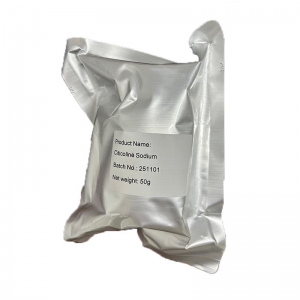
Citicoline Sodium CAS NO.33818-15-4
Name: Citicoline Sodium CAS No.: 33818-15-4 Molecular formula: C14H25N4NaO11P2 Molecular weight: 510.31 Appearance: White powder Content: ≥ 99% Clarity: Clarification Related substances: ≤ 0.5% Packaging: 5kg/drum; 10kg/drum; 25kg/drum Molecular structure:Tags : Citicoline Sodium CAS NO.33818-15-4 cytidine 5'-diphosphocholine sodium salt dihydrate Cytidine 5'-diphosphocholine monosodium salt CAS 33818-15-4
 online service


