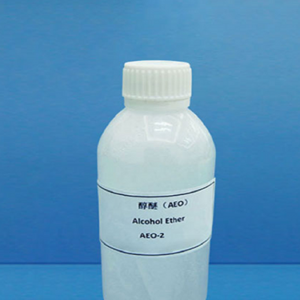
AEO-1 is a product with an ethylene oxide (EO) addition number of 1 in the fatty alcohol polyoxyethylene ether series. It belongs to the very low EO type non-ionic surfactant, and its chemical formula is (R is usually a fatty hydrocarbon group, commonly used as raw materials such as lauryl alcohol and coconut oil).
1、 Core Features
Appearance and solubility
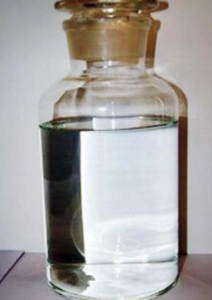
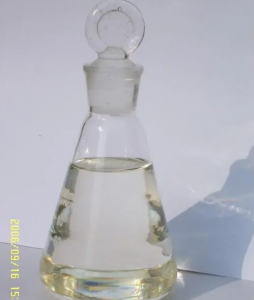
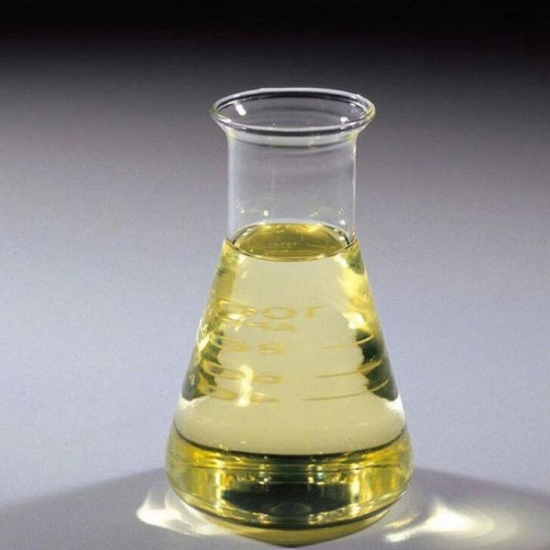
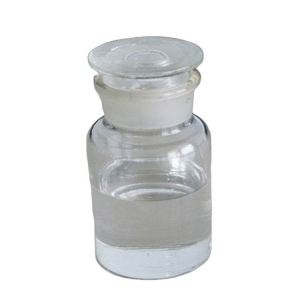
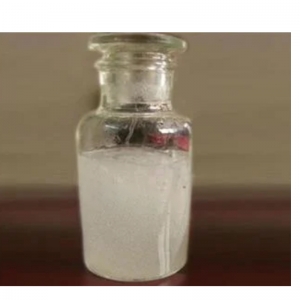
At room temperature, it is a light yellow transparent oily liquid that is almost insoluble in water, but easily soluble in organic solvents such as ethanol, ether, petroleum ether, and oily substances. It has strong lipophilicity and weak hydrophilicity.
The hydrophilic lipophilic balance (HLB) value is extremely low, about 4-6, belonging to the category of water in oil (W/O) emulsifiers.
surface activity
The ability to reduce oil-water interfacial tension is outstanding, but the effect of reducing water surface tension is weak, and it does not have the cleaning and wetting functions of water-soluble surfactants.
It has good stability to acid, alkali, and hard water, and the polyoxyethylene chain is not easily broken at high temperatures (>100 ℃), with stable performance.
Mild and environmentally friendly
Low skin irritation and high biodegradation rate (consistent with other AEO models, reaching over 90%), meeting environmental requirements.
2、 Main purpose
Due to its extremely poor water solubility, AEO-1 is rarely used alone and is mainly used as an oil phase additive in combination with other surfactants. Typical application scenarios are as follows:
Industrial emulsion system
As a water in oil (W/O) emulsifier, it is often used to prepare lubricating grease, cutting fluid, asphalt emulsifier, etc. to help disperse a small amount of water into the oil phase system to form a stable lotion.
Can be used as an auxiliary emulsifier for pesticide emulsion (EC), compounded with high EO AEO or anionic emulsifiers to enhance the stability and dispersibility of the emulsion.
Textile and Leather Industry
As a component of fiber oil, it is used in the spinning process of synthetic fibers (polyester, nylon) to provide lubrication, anti-static effect, and reduce fiber breakage rate.
Emulsifying agents used as fatliquoring agents in leather processing help oil penetrate evenly into leather fibers and enhance leather softness.
Personal Care and Daily Chemicals
A small amount is used in oil-based cosmetics (such as makeup remover, oily face cream) as a co emulsifier to improve the ductility and stability of the oil system and avoid product stratification.
It can be used as solubilizer of essence and essential oil to help oil soluble active ingredients disperse in low water system.
3、 Differences from similar low EO models
AEO-1, AEO-3, and AEO-5 belong to the low EO type, but have stronger lipophilicity. The specific comparison is as follows:
|
Type
|
EO Bonus Number
|
Hlb Value
|
Water-Soluble
|
Core Functional Differences
|
|
AEO-1
|
1
|
4~6
|
Practically Insoluble
|
Strong Oil Solubility, Only Used As W/O Emulsifier And Oil Phase Additive
|
|
AEO-3
|
3
|
7~8
|
Slightly Soluble In Water
|
Can Form Turbid Liquid With Water, With Stronger Emulsifying And Dispersing Functions
|
|
AEO-5
|
5
|
9~10
|
Dispersed In Water Under Stirring
|
Having a Certain Degree Of Hydrophilicity, It Can Be Used As An Auxiliary Emulsifier For Oil In Water (O/W)
|
 call us :
  send a message :





 online service


