


 call us : +8613866722531
 send a message : pweiping@techemi.com

call us : +8613866722531
send a message : pweiping@techemi.com
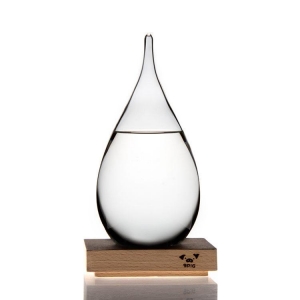
Name: Chlorotrimethylsilane CAS number: 75-77-4 Molecular formula: C3H9ClSi Molecular weight: 108.64 EINECS number: 200-900-5 Mol file: 75-77-4.mol
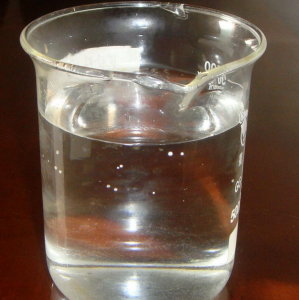
Name: Ethoxytrimethylsilane CAS number: 1825-62-3 Molecular formula: C5H14OSi Molecular weight: 118.25 EINECS number: 217-370-6 Mol file: 1825-62-3.mol
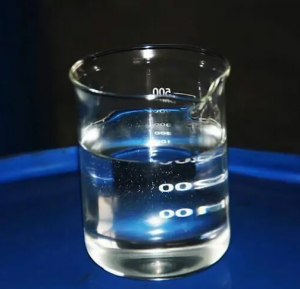
Specification English name: Dimethyldimethoxysilane CAS number: 1112-39-6 Molecular formula: C4H12O2Si Molecular weight: 120.22 EINECS number: 214 189 4 Mol file: 1112-39-6.mol Applications As a structural control agent, chain extender, and filler treatment agent, it is widely used in the treatment of organic silica gel and white carbon black Purpose As a structural control agent, chain extender, and filler treatment agent, it is widely used in the treatment of organic silica gel and white carbon black. This product is used as a structural control agent and chain extender to improve mechanical processing performance, extend the storage time of rubber blends, and can replace hydroxyl silicone oil for use. Widely used in the treatment of organic silicone and white carbon black Purpose Dimethyldimethoxysilane is used as a structural control agent and chain extender to improve mechanical processing performance, extend the storage time of rubber blends, and can replace hydroxy silicone oil....
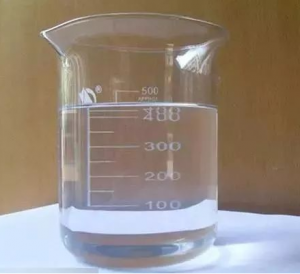
Properties of trimethyliodosilane Melting point<0 ° C Boiling point 106 ° C (lit.) Density 1.406 g/mL at 25 ° C (lit.) Refractive index n20/D 1.471 (lit.) Flash point − 25 ° F Storage conditions -20 ° C Solubility Reacts Form Liquid Specific gravity 1.47 Clear colors to reddish Water solubility reactions Sensitivity: Moisture&Light Sensitivity Hydrolysis sensitivity 8: Reacts quickly with moisture, water, protoc solvents BRN 1731136 Stability Sensitivity (Reactive) InchiKey CSRZQMIRAZTJOY-UHFFFFAOYSA-N CAS Database 16029-98-4 (CAS DataBase Reference) NIST Chemical Information Iodotrimethylsilane (16029-98-4) EPA Chemical Information Silane, iodotrimethyl - (16029-98-4)
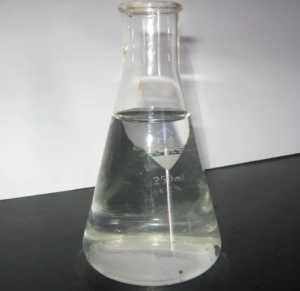
Properties of Hexamethyldisilane Melting point 9-12 ° C (lit.) Boiling point 112-114 ° C (lit.) Density 0.715 g/mL at 25 ° C (lit.) Refractive index n20/D 1.422 (lit.) Flash point 29 ° F Storage conditions Store at<=20 ° C Sol common organic solvents; Insul H2O Form liquid Specific gravity 0.729 Colorless Insoluble in water Double in alcohol, ether and acetone Hydrolysis sensitivity 1: no significant reaction with acute systems BRN 1633463 Stability InchiKey NEXSMEBSBIABKL-UHFFFAOYSA-N CAS Database 1450-14-2 (CAS DataBase Reference) NIST Chemical Substance Information Disilane, hexagonal - (1450-14-2) EPA Chemical Substance Information Disilane, hexagonal - (1450-14-2)
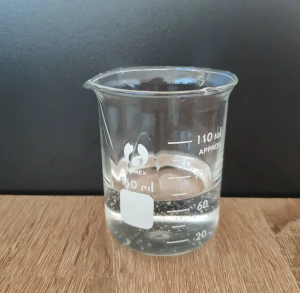
Introduction: Hexamethyldisiloxane (silicone ether, MM sealing agent) is a colorless and transparent liquid that is prone to deliquescence. Insoluble in water, soluble in various organic solvents. Used as silicone oil, silicone rubber, pharmaceuticals, gas chromatography stationary liquids, analytical reagents, hydrophobic agents, etc. Obtained by hydrolysis of trimethylchlorosilane. The physical properties of hexamethyldisiloxane colorless and transparent liquids. Easily deliquescent, flammable, and in contact with high heat, open flames, and strong oxidizing agents, there is a risk of combustion. Boiling point 99.5 ℃. Flash point -1.1 ℃. Relative density (d2525) 0.7606. The refractive index is 1.3750. Insoluble in water, soluble in various organic solvents. Hexamethyldisiloxane is an important primary organic silicon raw material, often used as a capping agent in the production of silicone oil, or as a cleaning agent for silicone rubber, pharmaceuticals, gas c...

Anhui Techchem Industrial Co.,Ltd. will participate in the Shanghai CPHI China 2026 exhibition. The 24th CPHI China 2026 will grandly kick off at the Shanghai New International Expo Center from June 1...
Insects can be both helpful and harmful to farmers growing crops. In the case of the highly invasive Fall Armyworm, they’re devastating and destructive. With no effective natural predators, this pest rapidly reproduces and causes significant crop damage, reducing the yields needed to meet a growing demand for food, fuel and fiber.
While the Fall Armyworm is commonly found in the U.S. and is a prominent pest in Brazil. It is migrating and taking its destructive nature with it. In 2016, Fall Armyworm was first spotted in West Africa and immediately caused major concerns about food security. Since then, the pest has destroyed maize—a staple food for over 300 million people—in over 30 African countries.
“Farmers in sub-Saharan Africa heavily rely on
maize and produce it for direct consumption,” said Mark Edge. He is the
Director of Collaboration for Developing Countries at Monsanto. “As Fall
Armyworm becomes more prevalent and established, a major food source is
jeopardized.”
Genetically modified (GM) crops do not yet have
regulatory approval in most African countries. To promote understanding
and acceptance of a crop that could benefit so many farmers, Monsanto
collaborates in a public-private partnership that works on sharing a
genetically modified crop called Bt maize for smallholder farmers in
Africa.
Bacillus thuringiensis (Bt) is a naturally occurring soil bacterium. It can be used to control insects and has been used by organic farmers to control caterpillars such as Fall Armyworm. Many global agencies such as World Health Organization (WHO) have also used Bt to control mosquitoes for decades. Through biotechnology, scientists can express Bt proteins in crops, helping farmers protect against insect damage and destruction.
When the targeted insect eats the plant, the Bt proteins bind to specific receptors in the insect’s stomach, which ultimately kills the pest. Bt is not harmful to humans, other mammals, birds, fish, or beneficial insects, because their stomachs don’t have the same receptors and, in the case of humans, they simply break down the Bt protein into harmless amino acids. The use of Bt crops reduces the need for pesticides, helping farmers strategically and efficiently manage and use inputs. With the help of Bt maize, farmers in Africa could protect their crops from damage from Fall Armyworm and other invasive pests.
“Bt maize was introduced over 20 years ago,
and has now been in South Africa for 15 years,” shared Edge. “However,
Bt as an applied biological control has been around for over 50 years.
And it has been used around the world by farmers and gardeners as an
insect control product.”
This technology has revolutionized insect
pest management in the U.S., Brazil, Argentina and many other countries.
It has proven to be a safe, effective way to combat pests and help
ensure bountiful harvests. “When farmers plant their crop, they start
with hopes to reap the full genetic potential in the seed they
purchased,” said Edge. “Bt maize helps protect that genetic potential
and minimizes the negative impact of insects like Fall Armyworm. It
would be an excellent addition to the crop protection toolbox for
farmers in Africa.”
Anhui Sinotech Industrial Co.,Ltd is a professional manufacturer of Insecticide Products, Organic Insecticide and Natural Insecticide,but also a supplier of various agricultural additives, can contact us at any time
 online service
 +8613866722531
 pweiping@techemi.com
 pweiping
 +8613866722531