


 call us : +8613866722531
 send a message : pweiping@techemi.com

call us : +8613866722531
send a message : pweiping@techemi.com
Name: Chlorotrimethylsilane CAS number: 75-77-4 Molecular formula: C3H9ClSi Molecular weight: 108.64 EINECS number: 200-900-5 Mol file: 75-77-4.mol
Name: Ethoxytrimethylsilane CAS number: 1825-62-3 Molecular formula: C5H14OSi Molecular weight: 118.25 EINECS number: 217-370-6 Mol file: 1825-62-3.mol
Specification English name: Dimethyldimethoxysilane CAS number: 1112-39-6 Molecular formula: C4H12O2Si Molecular weight: 120.22 EINECS number: 214 189 4 Mol file: 1112-39-6.mol Applications As a structural control agent, chain extender, and filler treatment agent, it is widely used in the treatment of organic silica gel and white carbon black Purpose As a structural control agent, chain extender, and filler treatment agent, it is widely used in the treatment of organic silica gel and white carbon black. This product is used as a structural control agent and chain extender to improve mechanical processing performance, extend the storage time of rubber blends, and can replace hydroxyl silicone oil for use. Widely used in the treatment of organic silicone and white carbon black Purpose Dimethyldimethoxysilane is used as a structural control agent and chain extender to improve mechanical processing performance, extend the storage time of rubber blends, and can replace hydroxy silicone oil....
Properties of trimethyliodosilane Melting point<0 ° C Boiling point 106 ° C (lit.) Density 1.406 g/mL at 25 ° C (lit.) Refractive index n20/D 1.471 (lit.) Flash point − 25 ° F Storage conditions -20 ° C Solubility Reacts Form Liquid Specific gravity 1.47 Clear colors to reddish Water solubility reactions Sensitivity: Moisture&Light Sensitivity Hydrolysis sensitivity 8: Reacts quickly with moisture, water, protoc solvents BRN 1731136 Stability Sensitivity (Reactive) InchiKey CSRZQMIRAZTJOY-UHFFFFAOYSA-N CAS Database 16029-98-4 (CAS DataBase Reference) NIST Chemical Information Iodotrimethylsilane (16029-98-4) EPA Chemical Information Silane, iodotrimethyl - (16029-98-4)
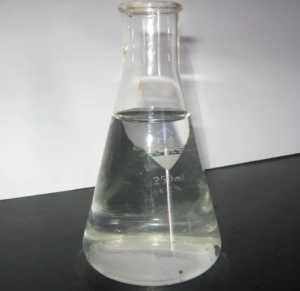
Properties of Hexamethyldisilane Melting point 9-12 ° C (lit.) Boiling point 112-114 ° C (lit.) Density 0.715 g/mL at 25 ° C (lit.) Refractive index n20/D 1.422 (lit.) Flash point 29 ° F Storage conditions Store at<=20 ° C Sol common organic solvents; Insul H2O Form liquid Specific gravity 0.729 Colorless Insoluble in water Double in alcohol, ether and acetone Hydrolysis sensitivity 1: no significant reaction with acute systems BRN 1633463 Stability InchiKey NEXSMEBSBIABKL-UHFFFAOYSA-N CAS Database 1450-14-2 (CAS DataBase Reference) NIST Chemical Substance Information Disilane, hexagonal - (1450-14-2) EPA Chemical Substance Information Disilane, hexagonal - (1450-14-2)
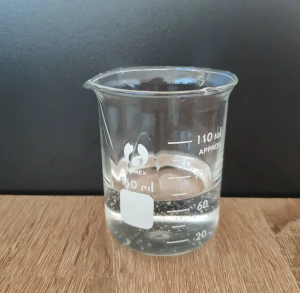
Introduction: Hexamethyldisiloxane (silicone ether, MM sealing agent) is a colorless and transparent liquid that is prone to deliquescence. Insoluble in water, soluble in various organic solvents. Used as silicone oil, silicone rubber, pharmaceuticals, gas chromatography stationary liquids, analytical reagents, hydrophobic agents, etc. Obtained by hydrolysis of trimethylchlorosilane. The physical properties of hexamethyldisiloxane colorless and transparent liquids. Easily deliquescent, flammable, and in contact with high heat, open flames, and strong oxidizing agents, there is a risk of combustion. Boiling point 99.5 ℃. Flash point -1.1 ℃. Relative density (d2525) 0.7606. The refractive index is 1.3750. Insoluble in water, soluble in various organic solvents. Hexamethyldisiloxane is an important primary organic silicon raw material, often used as a capping agent in the production of silicone oil, or as a cleaning agent for silicone rubber, pharmaceuticals, gas c...

Anhui Techchem Industrial Co.,Ltd. will participate in the Shanghai CPHI China 2026 exhibition. The 24th CPHI China 2026 will grandly kick off at the Shanghai New International Expo Center from June 1...
Early this month, a new genetic directory launched will enable researchers and breeders to scan the genomes of wild relatives of modern wheat to find disease-fighting properties lost to domestication.
The time-travelling trawl is possible following the launch of Open Wild Wheat, a directory which includes the genetic sequences of 150 wild wheats belonging to a goat grass species called Aegilops tauschii ssp.strangulata.
This wild relative is found in the fertile crescent round the Caspian sea. It has contributed the D genome pillar, one of the three genomes found in bread wheat.
The directory is the crowd-funded outcome of an international consortium. It is led by wheat researchers at the John Innes Centre and Kansas State University. Contributors from academic institutions and industry spanning 15 countries raised $150,000 to fund the sequencing.
Dr Brande Wulff is from the John Innes Centre. He explained the motivation behind the project: “If you sequence a single individual you just get a snapshot. So, to understand the whole genetic diversity that comes with a species we decided to sequence not one but 150.”

Wild wheats come with plenty of feral characteristics including seed shatter, long generation times and off-putting spikes which can lead to choking in dogs and other animals.
“At a time when our hunter-gatherer forefathers were transitioning to farming, they would have come across a field of plants and wild wheats. Our ancestors would have starved to death if they’d relied upon these for their daily bread,” says Dr Wulff.
Ten thousand years of domestication and intensive breeding has turned wheat into the highly nutritious, high-yielding, iconic crop that feeds much of the world population today.
But this has come at a cost. The hardy relatives have something their elite wheat cultivar cousins do not have: genetic diversity within which lies protective traits such as disease resistance as well as variation in flowering time and micronutrients.
Dr Jesse Poland of Kansas State University, who co-leads the project, explained: “Over the last 100 years, breeders and farmers have been trying to recruit some of that genetic diversity back into the elites, but it’s an uphill struggle. It takes many years of breeding to produce a wheat strain which combines high-yielding, bread-making properties with just one resistance gene from the wild relative.”

The Open Wild Wheat directory offers a “diversity” panel which allows researchers and breeders to search for candidate disease resistance genes and other useful variation.
The resource has emerged alongside two complementary technologies: speed cloning, a resource which allows breeders to clone candidate genes recovered from the directory; and speed breeding the intensive wheat growing platform developed by Dr Wulff alongside colleagues from the University of Queensland. Speed breeding allows traits from wild relatives to be moved rapidly into elite varieties, prior to field trials.
Dr Carolina Paola Sansaloni is one of the collaborators from CIMMYT. He said: “We are going back to the wild relatives of wheat to identify and incorporate into modern cultivars the hardy genes lost during evolution and domestication of wheat.”
The directory assembled by the consortium contains enough data, if printed on A4 paper, to stretch almost to the moon.
Searching for the needle in this statistical haystack involves scanning genetic variation for small sequence signatures – candidate genes – associated with resistance or susceptibility to diseases such as wheat stem rust or powdery mildew.
And the technology works, says Dr Wulff: “We have cloned four resistance genes using this technology, so we know it’s effective. We can really speed up the discovery of resistance genes. We can recover the very best from the past to make a great crop even greater.
Anhui Sinotech Industrial Co.,Ltd is a professional supplier of Nitrate Fertilizer,Chemical Fertilizers,Organic Sweeteners.etc. factory prices, high-quality service, is your trustworthy company.
 online service
 +8613866722531
 pweiping@techemi.com
 pweiping
 +8613866722531