 call us :
  send a message :





-
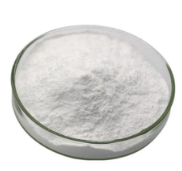
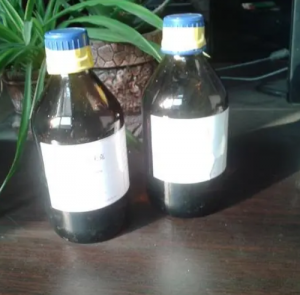
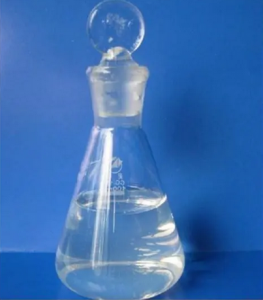
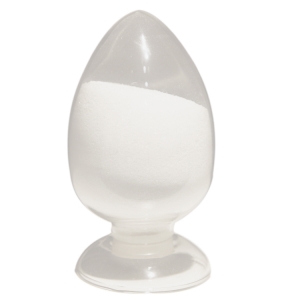
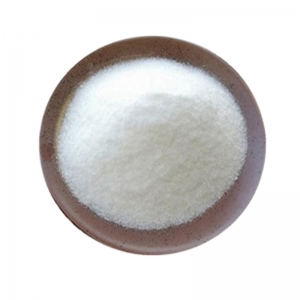
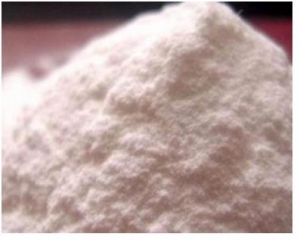
Supply Mixsilicone Rubber CAS NO.63394-02-5
Name:Mixsilicone Rubber CAS No.:63394-02-5 Appearance: Milky white slightly transparent colloid Hardness/Shore A: 20~90 Tensile strength/Mpa: ≥ 3 Tear strength/(kN/m): ≥ 10 Elongation/%: ≥ 100 Tensile set/%: ≤ 10 rebound/%: 35~80Tags : Milky White Slightly Transparent Mixed Silicone Rubber Polydimethylsiloxane rubber CAS 63394-02-5 Mixsilicone Rubber CAS NO.63394-02-5 Factory Supply Mixsilicone Rubber Supply Mixsilicone Rubber Mixsilicone Rubber Wholesale
-
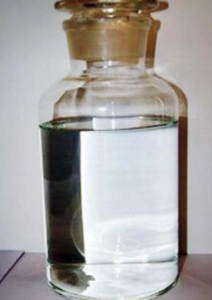
Factory Supply Mixsilicone Rubber CAS NO.63394-02-5
Name:Mixsilicone Rubber CAS No.:63394-02-5 Appearance: Milky white slightly transparent colloid Hardness/Shore A: 20~90 Tensile strength/Mpa: ≥ 3 Tear strength/(kN/m): ≥ 10 Elongation/%: ≥ 100 Tensile set/%: ≤ 10 rebound/%: 35~80Tags : Mixsilicone Rubber CAS 63394-02-5
-
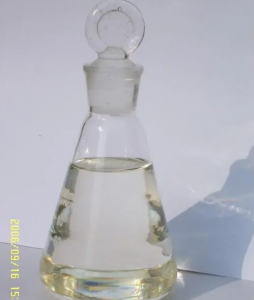
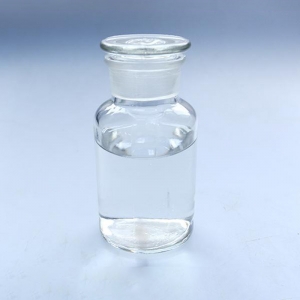
RTV 107 Silicone Rubber CAS NO.70131-67-8
Name:Silicone rubber,methyl RTV 107 CAS No.:70131-67-8 Appearance: Colorless transparent viscous liquid Molecular formula: HO[(CH3)2SiO]nH Physical and chemical properties: resistance to ozone, ultraviolet rays, extreme temperatures of high and low temperature Relative density (water=1): 0.97Tags : Silicone Rubber,Methyl RTV 107 70131-67-8 olydimethylsiloxane
-
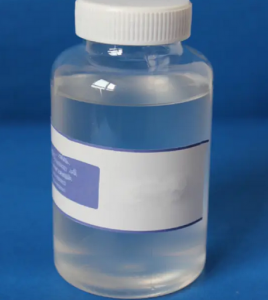
RTV,Silicone Rubber CAS NO.70131-67-8
Name:Silicone rubber,methyl RTV 107 CAS No.:70131-67-8 Appearance: Colorless transparent viscous liquid Molecular formula: HO[(CH3)2SiO]nH Physical and chemical properties: resistance to ozone, ultraviolet rays, extreme temperatures of high and low temperature Relative density (water=1): 0.97 -
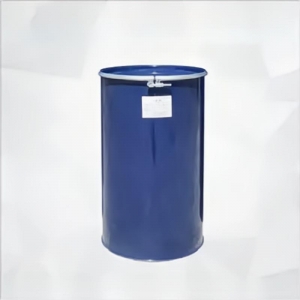
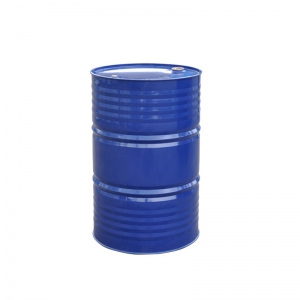
Silicone Rubber,Methyl RTV 107 CAS NO.70131-67-8
Name:Silicone rubber,methyl RTV 107 CAS No.:70131-67-8 Appearance: Colorless transparent viscous liquid Molecular formula: HO[(CH3)2SiO]nH Physical and chemical properties: resistance to ozone, ultraviolet rays, extreme temperatures of high and low temperature Relative density (water=1): 0.97Tags : Colorless transparent room temperature vulcanized Polydimethylsiloxane RTV-107 190kg/drum Colorless transparent room temperature vulcanized methyl silicone rubber Room temperature vulcanized methyl silicone rubber CAS 70131-67-8
-
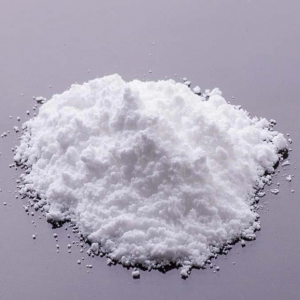
Vitamin K3, Menadione Sodium Bisulfite
Name:Vitamin K3, Menadione Sodium Bisulfite Appearance: White Crystalline Powder CAS No.:130-37-0 Usage:Animal Feed Additive Molecular formula:C11H9NaO5S·NH2OTags : Vitamin K3 Menadione Sodium Bisulfite Feed Additive CAS:130-37-0
-
Menadione sodium bisulfite Vitamin K3 MSB CAS:130-37-0
CAS No: 130-37-0 Application: for medical use Packaging: 25kg/carton price range: USD 30 - 60/KG product origin: China shipping port: Shanghai min order: 500kgs Lead Time: 7-10days -
Sodium Benzoate Powder BP2015 CAS:532-32-1 Preservatives Origin From China.
Name: Sodium Benzoate CAS No.: 532-32-1 EINECS No:208-534-8 Appearance:White granules or crystalline powder Molecular formula: C7H5NaO2 Molecular Weight: 144.1032 Melting point: 300℃ Boiling point: 249.3°C at 760 mmHg Flash point: 111.4°C Water solubility: soluble Vapor Pressure: 0.0122mmHg at 25°CTags : Sodium Benzoate CAS:532-32-1 Benzoic acid sodium salt Sodium Benzoate factory food preservative
-
N-(p-Aminobenzoyl)glutamic acid CAS NO.4271-30-1
Product details N-(p-Aminobenzoyl)glutamic acid CAS NO.4271-30-1 Payment:T/T Min order:1000kgs Lead time:7-15 daysTags : N-(p-Aminobenzoyl)glutamic acid CAS NO.4271-30-1 intermediate N-(p-Aminobenzoyl)glutamic acid Hot sale N-(p-Aminobenzoyl)glutamic acid N-(p-Aminobenzoyl)glutamic acid powder N-(p-Aminobenzoyl)glutamic acid supplier
-
2-Hydroxy Ethyl Methacrylate CAS: 868-77-9
Hydroxyethyl methacrylate (HEMA) is a non-toxic, harmless, and widely used reagent, commonly used for soft lens materials, lens materials, or as a monomer for preparing dense ceramics and glass. Polyhydroxyethyl methacrylate (PHEMA) is a promising biopolymer with significant inertness, biocompatibility, and insolubility. Method 1: Place 100 ml of toluene, 62.1 (1 mol) parts of ethylene glycol, and enzymes (Novozym 435, 0.04 parts, 0.01 parts of sodium carbonate, and 0.01 parts of hydroquinone manufactured by Novo) into a 1-liter glass flask connected to a cooling tube receiver (for measuring moisture) and a reflux side tube, and heat to 40 ° C. 72.1 parts (1mol) of acrylic acid were added in batches within 10 minutes, while stirring step by step. After completing the total addition, the mixture was stirred at the same temperature under reduced pressure of 10mPa. After the reaction, the target acrylate was obtained by filtering and separating the catalyst and additives. The time required for the reaction is approximately 6 hours. The yield and composition of the obtained acrylate were determined by gas chromatography (hereinafter abbreviated as GC). [0044] [Example 2] [0045] Except for changing 72.1 parts (1 mol) of acrylic acid to 86.1 parts (1 mol) of methacrylic acid in Example 1, the target compound was obtained in a similar manner to Example 1. The time required for the reaction is approximately 5 hours. The yield of hydroxyethyl methacrylate (HEMA) was 98.5% by gas chromatography. The synthesis is continuous as shown in Figure 1. Method 2: Add 31.05g ethylene glycol (EG, 0.5mol), 47.35g (0.55mol) methacrylic acid, 40g (inside, 22g water in the catalyst before use, 18g dry weight) strong acid ion exchange resin (Amberlite IR124: gel type, 12% cross-linking degree, no pore), 0.086g HO-TEMPO, 0.086g hydroquinone and 200g toluene into a 500ml glass flask equipped with Dean Stark device, cooling pipe, thermometer and air inlet pipe, Then heat and stir at 100 ℃, while using a pump to add water at a rate of 2g/h. The water formed in the reaction is azeotropic with toluene and removed through the Dean Stark device. After 5 hours, the conversion rate of hydroxyethyl methacrylate was 87.3%. The synthesis is continuous as shown in Figure 1. purpose Hydroxyethyl methacrylate is mainly used for modifying resins and coatings. Copolymerization with other acrylic monomers can produce acrylic resins with active hydroxyl groups in the side chains, which can undergo esterification and crosslinking reactions, synthesize insoluble resins, improve adhesion, and can be used as fiber treatment agents. It reacts with melamine formaldehyde (or urea formaldehyde) resin, epoxy resin, etc. to manufacture two component coatings. Adding it to high-end car paint can maintain the mirror gloss for a long time. It can also be used as an adhesive for synthetic textiles and as a medical polymer monomerTags : 2-Hydroxy Ethyl Methacrylate CAS: 868-77-9 C6H10O3 HEMA
-
Silicon(IV) Chloride CAS NO.10026-04-7 as Silicone origin from China.
Name: Silicon(IV) Chloride CAS No.: 10026-04-7 Appearance: Colorless transparent liquid Molecular weight: 169.9 Relative density: 1.483 Purity: ≥ 99.0% Flash point: No data available Boiling point: 57 ℃ Melting point: -70 ℃ Refractive index nD20:1.412Tags : Silicon(IV) Chloride CAS NO.10026-04-7 Tetrachorosilane CAS NO.10026-04-7 CAS NO.10026-04-7 Silicon tetrachloride CAS NO.10026-04-7 Silicone Silicon(IV) Chloride CAS NO.10026-04-7 Cl4Si
-
Hexaphenyldisiloxane CAS NO.1829-40-9 as Silicone origin from China.
Name: Hexaphenyldisiloxane CAS No.: 1829-40-9 Appearance: White granular crystals Molecular weight: 534.79 Bulk density: 0.75 Flash point:>200℃ Boiling point: No data available Melting point: 225℃ Refractive index nD20:1.6825Tags : Hexaphenyldisiloxane CAS NO.1829-40-9 Disiloxane CAS NO.1829-40-9 Hexaphenyldisiloxane CAS 1829-40-9 C36H30OSi2 C36H30OSi2 CAS 1829-40-9
 online service


