 call us :
  send a message :





-
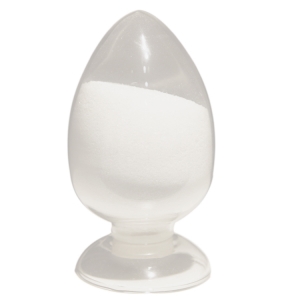
Florfenicol Veterinary Antibiotic
Name:Florfenicol CAS No.:76639-94-6;73231-34-2 Appearance:white or off-white crystalline powder Molecular formula:C12H14Cl2FNO4S Molecular Weight:358.2133 Density:1.39g/cm3 Boiling point:531.3°C at 760 mmHg Melting point:153 ℃ Flash point:275.1°C Vapor Pressure:4.05E-12mmHg at 25°CTags : Florfenicol Veterinary Drugs Florfenicol Veterinary Antibiotic Florfenicol CAS NO.76639-94-6;73231-34-2 76639-94-6 73231-34-2
-
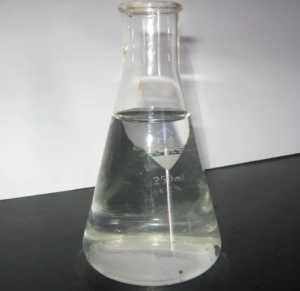
DEET Insecticide
Name:N,N-Diethyl-3-methylbenzamide(DEET) CAS No.:134-62-3 EINECS No.:205-149-7 Appearance:Colorless or light yellow transparent liquid Molecular formula:C12H17NO Molecular Weight:191.2695 Density:1.006g/cm3 Melting point:-45 ℃ Boiling point:268.9°C at 760 mmHg Flash point:116.4°C Water Soluble:NEGLIGIBLE Vapor Pressure:0.0075mmHg at 25°C Solubility:insoluble in water, miscible with ethanol, ether, benzene, propylene glycol, cottonseed oilTags : DEET DEET 134-62-3 134-62-3 N,N-Diethyl-3-methylbenzamide AI 3-22542 DEET insecticide
-
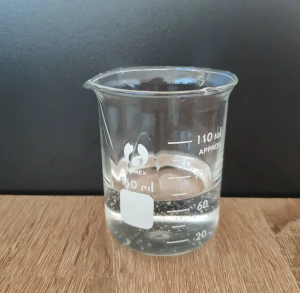
N,N-Diethyl-3-Methylbenzamide CAS 134-62-3
Name:N,N-Diethyl-3-methylbenzamide(DEET) CAS No.:134-62-3 EINECS No.:205-149-7 Appearance:Colorless or light yellow transparent liquid Molecular formula:C12H17NO Molecular Weight:191.2695 Density:1.006g/cm3 Melting point:-45 ℃ Boiling point:268.9°C at 760 mmHg Flash point:116.4°C Water Soluble:NEGLIGIBLE Vapor Pressure:0.0075mmHg at 25°C Solubility:insoluble in water, miscible with ethanol, ether, benzene, propylene glycol, cottonseed oil -
134-62-3
Name:N,N-Diethyl-3-methylbenzamide(DEET) CAS No.:134-62-3 EINECS No.:205-149-7 Appearance:Colorless or light yellow transparent liquid Molecular formula:C12H17NO Molecular Weight:191.2695 Density:1.006g/cm3 Melting point:-45 ℃ Boiling point:268.9°C at 760 mmHg Flash point:116.4°C Water Soluble:NEGLIGIBLE Vapor Pressure:0.0075mmHg at 25°C Solubility:insoluble in water, miscible with ethanol, ether, benzene, propylene glycol, cottonseed oil -
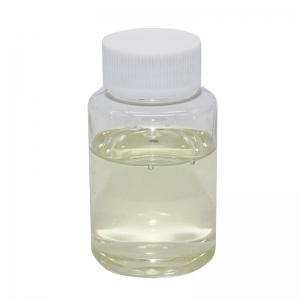
DEET CAS NO 134-62-3
Name:N,N-Diethyl-3-methylbenzamide(DEET) CAS No.:134-62-3 EINECS No.:205-149-7 Appearance:Colorless or light yellow transparent liquid Molecular formula:C12H17NO Molecular Weight:191.2695 Density:1.006g/cm3 Melting point:-45 ℃ Boiling point:268.9°C at 760 mmHg Flash point:116.4°C Water Soluble:NEGLIGIBLE Vapor Pressure:0.0075mmHg at 25°C Solubility:insoluble in water, miscible with ethanol, ether, benzene, propylene glycol, cottonseed oil -
Azithromycin Antibiotic
Name: Azithromycin CAS No.: 83905-01-5 Appearance: White powder Molecular formula: C38H72N2O12 Molecular Weight: 748.9845 Density: 1.18g/cm3 Melting point: 113-115℃ Boiling point: 822.1°C at 760 mmHg Flash point: 451°C Vapor Pressure: 2.51E-31mmHg at 25°CTags : Azithromycin antibiotic 83905-01-5 Azithromycin Antibiotic Azithromycin 83905-01-5 CAS 83905-01-5
-
Azithromycin CAS NO.:83905-01-5
Name:Azithromycin CAS No.:83905-01-5 Appearance: White powder Molecular formula: C38H72N2O12 Molecular Weight: 748.9845 Density: 1.18g/cm3 Melting point: 113-115℃ Boiling point: 822.1°C at 760 mmHg Flash point: 451°C Vapor Pressure: 2.51E-31mmHg at 25°C -
Azithromycin 83905-01-5
Name:Azithromycin CAS No.:83905-01-5 Appearance: White powder Molecular formula: C38H72N2O12 Molecular Weight: 748.9845 Density: 1.18g/cm3 Melting point: 113-115℃ Boiling point: 822.1°C at 760 mmHg Flash point: 451°C Vapor Pressure: 2.51E-31mmHg at 25°C -
Azithromycin Antibiotic
Azithromycin CAS NO.:83905-01-5 Name: Azithromycin CAS No.: 83905-01-5 Appearance: White powder Molecular formula: C38H72N2O12 Molecular Weight: 748.9845 Molecular structure: Azithromycin is a macrolide antibiotic with a 15-membered nitrogen-containing heterocyclic ring. Its antibacterial mechanism is similar to that of erythromycin, but its antibacterial spectrum is broader. It has stronger antibacterial activity against Gram-positive bacteria, and also has stronger antibacterial activity against Gram-negative bacteria such as Haemophilus influenzae, Salmonella, Escherichia coli, and Shigella. It is stable to acid and has good tolerance. It has a good therapeutic effect on respiratory tract infections, skin and soft tissue infections, and sexually transmitted diseases caused by sensitive strains. Azithromycin is indicated for the treatment of the following symptoms of infection caused by sensitive bacteria: 1. For acute pharyngitis, acute tonsillitis caused by Streptococcus pyogenes and sinusitis, acute otitis media, acute bronchitis and acute exacerbation of chronic bronchitis caused by sensitive bacteria. 2. For pneumonia caused by Streptococcus pneumoniae, Bacillus influenzae and Mycoplasma pneumoniae. 3. For urethritis, cervicitis and pelvic inflammatory disease caused by chlamydia and non-multidrug-resistant Neisseria gonorrhoeae, and simple genital infection caused by non-multidrug-resistant gonococcus (need to exclude the co-infection of Treponema pallidum) . 4. For skin and soft tissue infections caused by sensitive bacteria. -
Albendazole Raw Materials
Albendazole CAS NO.: 54965-21-8 Name: Albendazole CAS No.: 54965-21-8 Appearance: white to light yellow crystalline powder Molecular formula: C12H15N3O2S Molecular Weight: 265.3314 Melting point: 207 to 211 ℃ (decomposition) Density: 1.26 g/cm³ Main indications: high-efficiency broad-spectrum anthelmintic new drug Water solubility: slightly soluble in organic solvents, insoluble in water Molecular structure: Albendazole is a broad-spectrum thiabendazole anthelmintic. It can be used for both human and veterinary purposes. It can inhibit the growth and reproduction of parasites. As a result, the worms cannot take in the sugar they depend on for survival, depleting the endogenous glycogen in the worms, and inhibiting the fumarate reductase system, preventing the production of adenosine triphosphate, making the worms unable to survive and reproduce. die. Albendazole has the effect of completely killing hookworm eggs and whipworm eggs and partially killing roundworm eggs. It can also kill and expel various nematodes parasitic in animals. and expulsion. Indicated for the treatment of hydatid (hydatid) and nervous system infections (cysticercosis) caused by threadworms in pork, also for the treatment of hookworms, roundworms, pinworms, trichinella, tapeworms, whipworms and roundworms Nematode disease.Tags : Albendazole Raw Materials Albendazole anthelmintic 54965-21-8 Albendazole 54965-21-8 Albendazole CAS Albendazole
-
Albendazole Anthelmintic
Albendazole CAS NO.: 54965-21-8 Name: Albendazole CAS No.: 54965-21-8 Appearance: white to light yellow crystalline powder Molecular formula: C12H15N3O2S Molecular Weight: 265.3314 Melting point: 207 to 211 ℃ (decomposition) Density: 1.26 g/cm³ Main indications: high-efficiency broad-spectrum anthelmintic new drug Water solubility: slightly soluble in organic solvents, insoluble in water Molecular structure: Scope of application Albendazole is a new high-efficiency broad-spectrum anthelmintic drug. It is highly active against nematodes, schistosomes and tapeworms, and has a significant inhibitory effect on egg development. Albendazole is used to treat parasites, but not insects. Albendazole also has obvious expelling effect on various nematodes, schistosomes, tapeworms and cysticercosis parasitic on animals. It is suitable for expelling roundworms, pinworms, hookworms, whipworms, and also for deworming livestock. -
Broad spectrum anthelmintic
Albendazole CAS NO.: 54965-21-8 Appearance: white to light yellow crystalline powder Molecular formula: C12H15N3O2S Molecular Weight: 265.3314 Melting point: 207 to 211 ℃ (decomposition) Density: 1.26 g/cm³ Main indications: high-efficiency broad-spectrum anthelmintic new drug Water solubility: slightly soluble in organic solvents, insoluble in water Molecular structure: Description: Albendazole is a broad-spectrum anthelmintic with high efficacy and low toxicity. Clinically, it can be used to drive roundworms, pinworms, tapeworms, whipworms, hookworms, strongyloides, etc. After being metabolized to sulfoxide or sulfone in the body, it inhibits the parasite's absorption of glucose, leading to the depletion of glycogen in the parasite, or inhibits the fumarate reductase system, hindering the production of ATP, making the parasite unable to survive and reproduce.Tags : Broad spectrum anthelmintic
 online service


