Description:
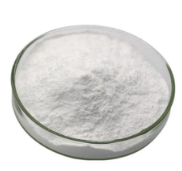
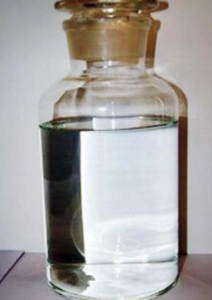
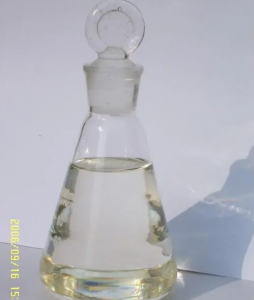
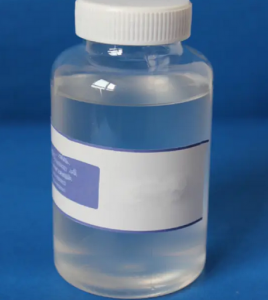
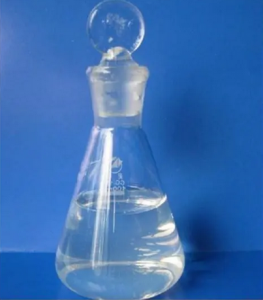
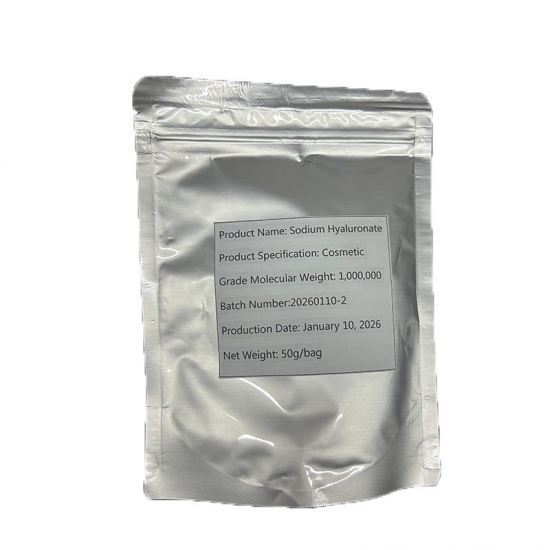
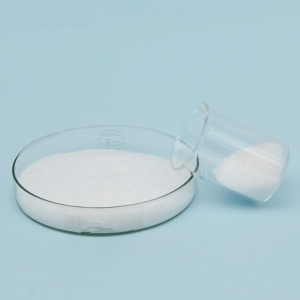
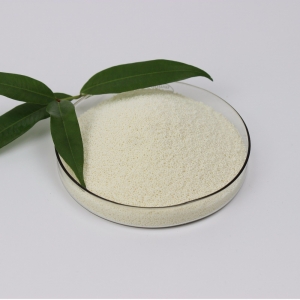
Sodium hyaluronate is the sodium salt form of hyaluronic acid, with the chemical formula (C14H20NO11Na) n. It is a glucuronic acid and a natural polysaccharide widely present in the connective tissue, skin, eyes, and joint fluid of the human body. In terms of physical properties, it has good optical transparency and can maintain a clear and transparent state in solution. In terms of chemical properties, functional groups such as hydroxyl and carboxyl groups in its molecules give it a certain degree of chemical reactivity.
Sodium hyaluronate has excellent moisturizing, anti-aging, repairing, and lubricating functions, and is therefore widely used in the fields of beauty, medicine, and healthcare.
The molecular structure of sodium hyaluronate is formed by alternating arrangement of glucuronic acid and N-acetylglucosamine, which has extremely strong water absorption ability. Each molecule can absorb hundreds of times its own weight of water, thus having significant effects in maintaining skin hydration and improving skin elasticity.
In beauty and skin care, sodium hyaluronate is often used in moisturizing products, such as face cream, essence, facial mask, etc., to help relieve dryness, tightness and fine lines, and keep the skin smooth and moist.
In addition, sodium hyaluronate is widely used in joint treatment (such as arthritis injection), ophthalmology (such as artificial tears), and wound repair fields, helping to alleviate joint pain, accelerate wound healing, and relieve eye dryness and other problems.
 call us :
  send a message :






 online service


