 call us :
  send a message :





-
GLUCOSAMINE SULFATE SODIUM CHLORIDE
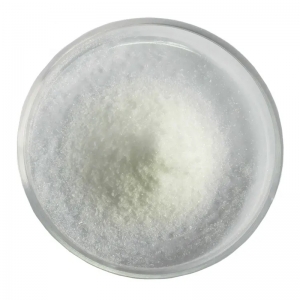
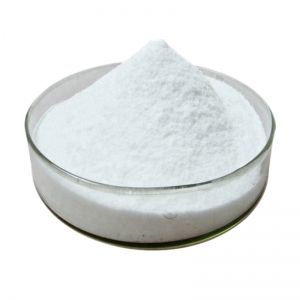
GLUCOSAMINE SULFATE SODIUM CHLORIDE usually exist in the form of white crystalline powder, which is soluble in water, slightly soluble in methanol, and insoluble in organic solvents such as ethanol. GLUCOSAMINE SULFATE SODIUM CHLORIDE, as derivatives of glucosamine, are mainly used for the treatment or prevention of joint diseases such as arthritis and rheumatoid arthritis. Its mechanism of action includes stimulating chondrocytes to produce proteoglycans, inhibiting the activity of joint cartilage degrading enzymes, thereby helping to improve joint function and delaying the narrowing of joint spaces. In clinical applications, it is often used in combination with chondroitin sulfate to enhance its effectiveness. In addition, it is also used in health products, cosmetics (such as beauty creams, shampoo additives), and agricultural fields (such as plant growth regulation)Tags : GLUCOSAMINE SULFATE SODIUM CHLORIDE GLUCOSAMINE SULFATE SODIUM CHLORIDE health products health products GLUCOSAMINE SULFATE SODIUM CHLORIDE GLUCOSAMINE SULFATE SODIUM CHLORIDE manufacturer GLUCOSAMINE SULFATE SODIUM CHLORIDE USP grade GLUCOSAMINE SULFATE SODIUM CHLORIDE GMP factory
-
SODIUM LAURETH SULFATE 1EO CAS NO: 9004-82-4
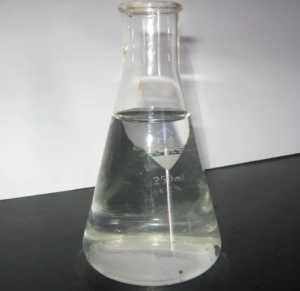
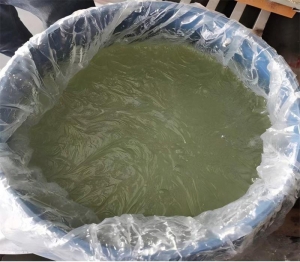
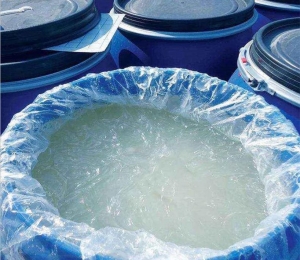
Sodium Laureth Sulfate 1EO refers to sodium lauryl ether sulfate, a common anionic surfactant, where 1EO indicates that the lauryl hydrophobic chain in its molecule is connected to one ethoxy (-CH₂CH₂O-) unit. Basic Structure and Properties Chemical Structure: Its general structural formula is:CH3(CH2)10CH2(OCH2CH2)1OSO3Na. It consists of three parts: Hydrophobic group: Lauryl group (C12 alkyl chain) Connecting group: 1 ethoxy unit Hydrophilic group: Sodium sulfate ester group Core Performance Excellent surface activity: It can significantly reduce the surface tension of water, and has strong emulsifying, detergency, and foaming abilities, producing rich and stable foam. Improved water solubility: Compared to sodium lauryl sulfate (SLS) without ethoxy groups, the introduction of one ethoxy unit improves its water solubility, making it less likely to precipitate at low temperatures. Optimized mildness: It is slightly less irritating than SLS, but still belongs to the category of moderately irritating surfactants, suitable for cleaning products. Hard water resistance: It has stronger hard water resistance than SLS, maintaining good cleaning performance in water containing calcium and magnesium ions. Compatibility: It can be compounded with nonionic, cationic (caution is needed to avoid precipitation), and other anionic surfactants. Main Application Areas Personal care products: Used in shampoos, shower gels, facial cleansers, hand soaps, etc., playing a core role in cleaning and foaming. Due to the low number of EO units, it has strong detergency and is often compounded with mild surfactants (such as cocamidopropyl betaine) to reduce irritation. Household cleaning products: Used in laundry detergents, dishwashing detergents, hard surface cleaners, etc., utilizing its emulsifying and foaming abilities to improve cleaning efficiency. Industrial field: It can be used as an emulsifier in pesticide and paint formulations, and also as a wetting agent in the textile industry and a degreasing agent in the leather industry. Differences from similar products Product Eo Number Water-Soluble Mildness Detergency SLS 0 General Lower Strong SLES-1EO 1 Better Moderate Stronger SLES-2EO/3EO 2-3 Very Good Higher Moderate Precautions: At high concentrations, it can be irritating to the skin and eyes. The proportion added to formulations needs to be controlled (usually 5%-15% in personal care products). Avoid high temperatures and strong acidic environments during storage, otherwise hydrolysis may occur, reducing its activity.Tags : SODIUM LAURETH SULFATE 1EO CAS NO: 9004-82-4 SODIUM LAURETH 1 SULFATE(SLE1S) SODIUM LAURETH SULPHATE 1EO SODIUM LAURETH SULFATE SLE1S CAS NO: 9004-82-4 Fatty alcohol polyoxyethylene ether, sodium sulfate
-
SODIUM LAURETH SULPHATE 3EO CAS NO: 9004-82-4
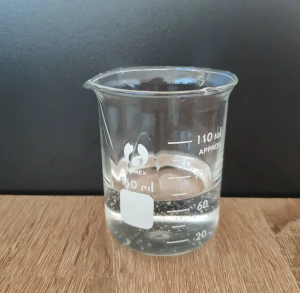
Sodium Laureth Sulfate 3EO (SLES-3EO) is an anionic surfactant. 3EO indicates that its molecule contains 3 ethoxy (-CH₂CH₂O-) units attached to the lauryl hydrophobic chain. It is a widely used mild surfactant in the daily chemical and cleaning industries. Basic Structure and Properties Chemical Structure: The general structural formula is: CH3(CH2)10CH2(OCH2CH2)3OSO3Na. It mainly consists of three parts: Hydrophobic group: Lauryl group (C₁₂ alkyl chain) Connecting group: 3 ethoxy units Hydrophilic group: Sodium sulfate ester group Core Performance Outstanding Mildness: Compared to SLS (0EO) and SLES-1EO, the introduction of 3 ethoxy units significantly reduces skin and eye irritation, making it a commonly used mild cleansing and foaming ingredient in personal care products. Excellent Water Solubility: The increased number of ethoxy units enhances hydrophilicity, maintaining good solubility even at low temperatures and preventing precipitation and stratification. Balanced Foaming and Cleaning: It produces rich and dense foam that is easy to rinse off, and has moderate cleaning power, effectively cleaning grease and dirt without excessive degreasing that leads to dry skin. Strong Hard Water Resistance: It exhibits good stability in hard water containing calcium and magnesium ions, and the cleaning effect does not significantly decrease. Good Compatibility: It can be compounded with non-ionic and amphoteric surfactants (such as cocamidopropyl betaine, alkyl glycosides), further improving mildness and foaming properties; caution is needed when compounding with cationic surfactants to avoid precipitation. Main Application Areas Personal Care Products It is a core ingredient in shampoos, shower gels, facial cleansers, and baby care products, especially suitable for sensitive skin and infant care formulations, with a typical addition ratio of 5%–20%. Household Cleaning Products Used in dishwashing detergents, laundry detergents, hand soaps, etc., balancing cleaning power and mildness, reducing irritation to the skin of the hands. Industrial Applications It can be used as a wetting agent in the textile industry, a pesticide emulsifier, and a leather degreasing agent, achieving efficient processing under mild conditions. Differences from similar products Product Eo Number Water-Soluble Mildness Detergency SLS 0 General Lower Strong SLES-1EO 1 Better Moderate Stronger SLES-2EO/3EO 2-3 Very Good Higher Moderate Precautions: Although generally mild, high concentrations (>20%) may still irritate sensitive skin; therefore, the amount used in formulations should be controlled. Store in a sealed container in a cool, dry place, avoiding contact with strong acids and high temperatures to prevent hydrolysis and loss of activity.Tags : SODIUM LAURETH SULPHATE 3EO CAS NO: 9004-82-4 3EO CAS NO: 9004-82-4 SODIUM LAURETH SULPHATE SLES-3EO CAS NO: 9004-82-4 SLES-3EO
-
Sialic acids N-Acetylneuraminic Acid (NANA) CAS: 131-48-6
Name: Sialic acids, N-Acetylneuraminic Acid,NANA,Neu5Ac CAS No.: 131-48-6 Appearance: Colorless crystals Molecular formula: C11H19NO9 Molecular Weight: 309.27Tags : Sialic acids N-Acetylneuraminic Acid N-acetylneuraminic acids(NANA) N-acetylneuraminic acid(Neu5Ac) Sialic acids NANA Sialic acids Neu5Ac
-
L-Leucine CAS NO.61-90-5
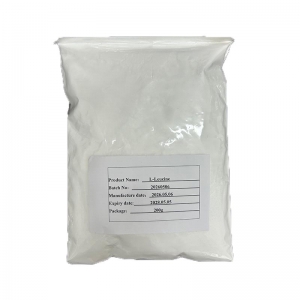
Name: L-Leucine CAS No.: 61-90-5 Molecular formula: C6H13NO2 Molecular weight: 131.17Tags : L-Leucine CAS NO.61-90-5 (S)-2-Amino-4-methylpentanoic acid H-Leu-OH CAS 61-90-5 L(+)LEUCINE CAS 61-90-5 Leucine CAS 61-90-5
-
L-Theanine CAS NO.3081-61-6
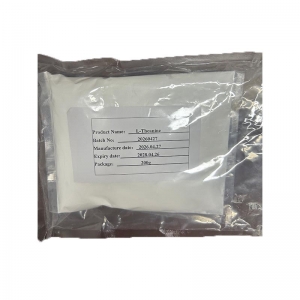
Name: L-Theanine CAS No.: 3081-61-6 Molecular formula: C7H14N2O3 Molecular weight: 174.1977 Application: Health products, seasonings, anti-corrosion agents, antacids, daily chemical products (such as facial cleansers), feedTags : L-Theanine CAS NO.3081-61-6 Theanine CAS 3081-61-6 N-gamma-ethyl-L-glutamine N5-Ethyl-L-glutamine CAS 3081-61-6
-
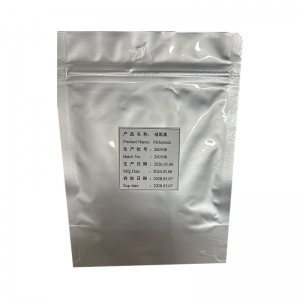
Melatonin CAS NO.73-31-4
Name:Melatonin CAS No.:73-31-4 Molecular formula: C13H16N2O2 Molecular weight: 232.2783 Appearance: White or off-white crystalline powderTags : Melatonin CAS NO.73-31-4 Melatonine CAS 73-31-4 N-Acetyl-5-methoxytryptamine CAS 73-31-4 L-Arabinitol CAS 8041-44-9 N-(2-(5-methoxyindol-3-yl)ethyl)acetamide CAS 8041-44-9 Melatonin CAS 8041-44-9
-
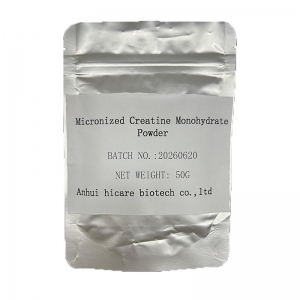
Micronized Creatine Monohydrate CAS NO.6020-87-7
Name:Creatine Monohydrate CAS No.:6020-87-7 Molecular formula: C4H9N3O2 Molecular weight: 131.1332 Appearance: White Crystalline PowderTags : Micronized Creatine Monohydrate CAS NO.6020-87-7 Creatine Monohydrate CAS 6020-87-7 Amidinosarcosine Monohydrate N-carbamimidoyl-N-methylglycine hydrate (1:1) CAS 6020-87-7 [(diaminomethylidene)(methyl)ammonio]acetate CAS 6020-87-7
-
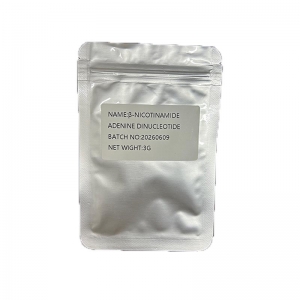
β-Nicotinamide Adenine Dinuclotide CAS NO.53-84-9
Name:β-Nicotinamide Adenine Dinuclotide CAS No.:53-84-9 Molecular formula: C21H26N7O14P2 Molecular weight: 662.4177 Appearance: White PowderTags : β-Nicotinamide Adenine Dinuclotide CAS NO.53-84-9 beta-Nicotinamide adenine dinucleotide CAS 53-84-9 nadide CAS 53-84-9 beta-Diphosphopyridine nucleotide CAS 53-84-9 cozymase CAS 53-84-9 NAD+ CAS 53-84-9
-
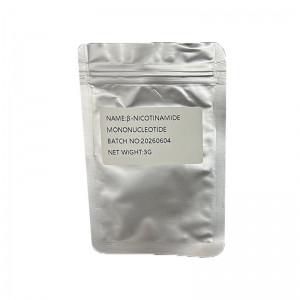
β-Nicotinamide mononucleotide CAS NO.1094-61-7
Name: β-Nicotinamide mononucleotide (NMN) CAS No.: 1094-61-7 Molecular formula: C11H15N2O8P Molecular weight: 334.2192 Appearance: White powderTags : β-Nicotinamide mononucleotide CAS NO.1094-61-7 beta-nicotinamide mononucleotide CAS 1094-61-7 NMN CAS 1094-61-7 Nicotinamide mononucleotide CAS 1094-61-7 coenzyme NMN CAS 1094-61-7 Nicotinamide ribonucleotide CAS 1094-61-7
-
Nicotinamide riboside chloride CAS NO.23111-00-4
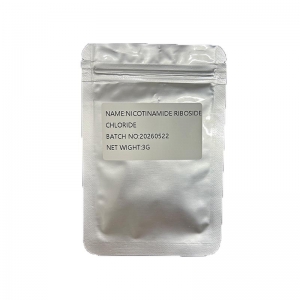
Name: Nicotinamide riboside chloride CAS No.: 23111-00-4 Molecular formula: C11H15ClN2O5 Molecular weight: 290.7 Appearance: White powder Application: Dietary supplements, increase tissue NAD concentration, induce insulin sensitivity, enhance deacetylase functionTags : Nicotinamide riboside chloride CAS NO.23111-00-4 NR-CL CAS NO.23111-00-4 CAS 23111-00-4 NR-CL CAS 23111-00-4 Nicotinamide riboside chloride
 online service


