AEO-9 is a representative nonionic surfactant of the EO type in the fatty alcohol polyoxyethylene ether series. It is formed by addition polymerization of fatty alcohols (mainly lauryl alcohol and cocoyl alcohol) with 9 ethylene oxide (EO) molecules, with a chemical formula of. Its hydrophilic lipophilic balance value (HLB) has strong adaptability and excellent cleaning, emulsifying, and wetting abilities, making it one of the most widely used AEO models in the daily chemical and industrial fields.
1、 Core physical and chemical properties
Appearance and solubility
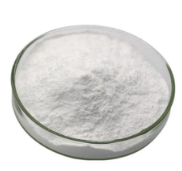
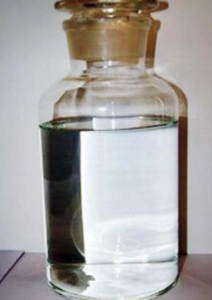
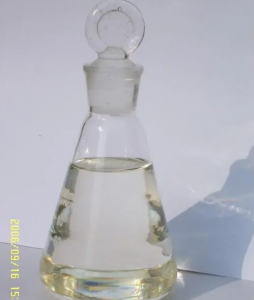
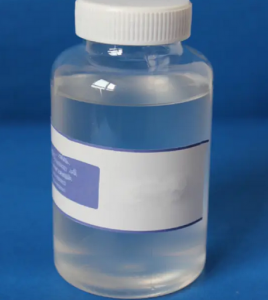
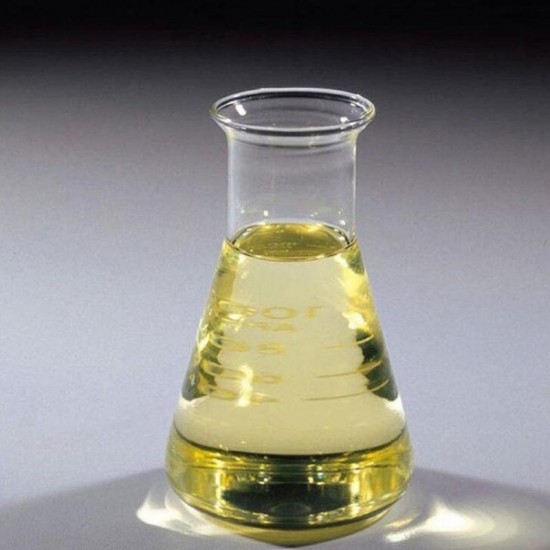
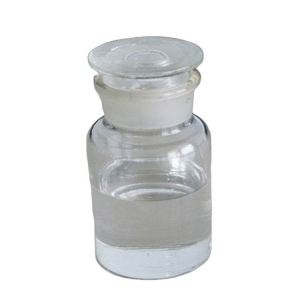
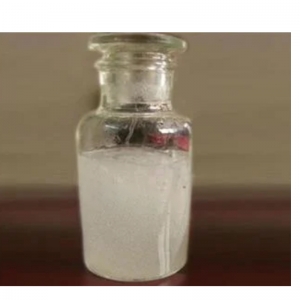
At room temperature, it is a milky white paste like or light yellow viscous liquid, and gradually becomes a transparent liquid when the temperature is above 40 ℃; Easy to dissolve in water, forms a clear and transparent solution after dissolution, and is also soluble in polar organic solvents such as ethanol and ethylene glycol.
The hydrophilic lipophilic balance (HLB) value is about 12-13, belonging to the oil in water (O/W) type emulsifier, with high emulsification efficiency and the ability to stably disperse various oil phase substances.
Key performance parameters
Hydroxyl value: about 90-100 mgKOH/g
PH value (1% aqueous solution): 5.0~7.0 (neutral)
Cloud point (1% aqueous solution): about 50-60 ℃ (after exceeding the cloud point, the aqueous solution becomes turbid and the surface activity slightly decreases, which can be restored after cooling)
Moisture content: ≤ 1.0%
Surface tension (0.1% aqueous solution, 25 ℃): approximately 32-35 mN/m
Chemical stability and mildness
Acid resistant, alkali resistant, and hard water resistant, with stable performance in the pH range of 3-11, and will not precipitate with calcium and magnesium ions in hard water. Its applicability is far superior to anionic surfactants.
Low skin and eye irritation, with a biodegradation rate of over 90%, in compliance with EU REACH and domestic safety standards for daily chemical and food industries.
High temperature stability is good, and the performance is stable when the temperature is below 120 ℃. Long term exposure to an environment above 120 ℃ can lead to slow degradation of polyoxyethylene chains.
2、 Main purpose
AEO-9 can be used alone or in combination with anionic (such as LAS) and cationic surfactants to produce synergistic effects, with application scenarios covering multiple industries
Daily chemical washing field
As the core decontamination component of laundry detergent, washing powder and detergent, it has strong decontamination power, rich foam and is easy to rinse, mild and harmless, especially suitable for preparing high-end washing products.
Used for personal cleaning products such as shower gel and hand sanitizer, it has both cleaning and moisturizing effects, reducing product irritation to the skin.
Textile printing and dyeing industry
In the pre-treatment of printing and dyeing (desizing, boiling, bleaching), it is used as an efficient wetting agent and detergent to help auxiliaries quickly penetrate fibers and remove impurities such as oil and pulp on fabrics.
As a leveling agent in the dyeing process, it prevents dye aggregation, avoids fabric discoloration and color difference, and improves dyeing uniformity and brightness.
In the process of synthetic fiber spinning, it can be used as an oil component, which has both lubricating and anti-static effects, reducing fiber breakage and entanglement.
3、 Comparison with EO models in the same series
|
Type
|
EO Bonus Number
|
Hlb Value
|
Cloud point (1% aqueous solution)
|
Core Functional Differences
|
|
AEO-7
|
7
|
10~12
|
40~50℃
|
Low foaming, wetting, emulsifying, suitable for medium and low temperature cleaning
|
|
AEO-9
|
9
|
12~13
|
50~60℃
|
High cleaning power, high emulsification, and wider application
|
|
AEO-10
|
10
|
13~14
|
60~70℃
|
High water solubility, strong stain removal, suitable for high-temperature cleaning
|
 call us :
  send a message :





 online service


