AEO-3 is a non-ionic surfactant with an ethylene oxide (EO) addition number of 3 in the fatty alcohol polyoxyethylene ether series. It belongs to the low EO type product and has a chemical formula of, where R is mostly a fatty hydrocarbon group (commonly used as raw materials for lauryl alcohol and coconut oil).
1、 Core physical and chemical properties
Appearance and solubility
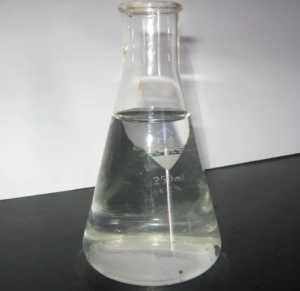
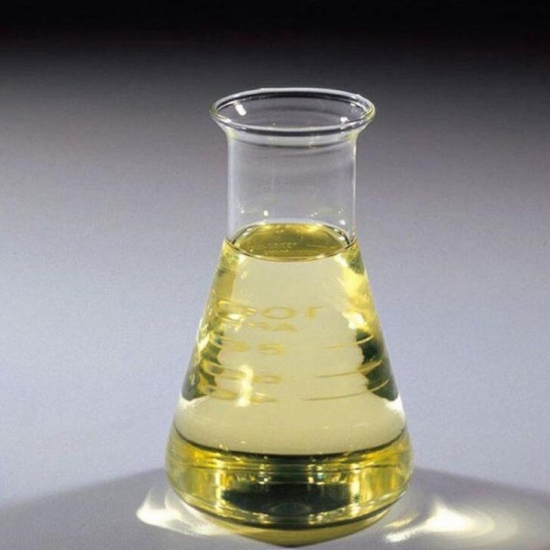
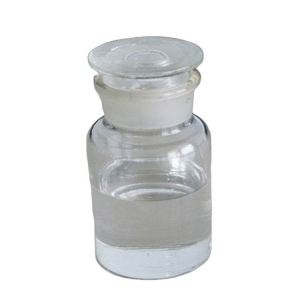
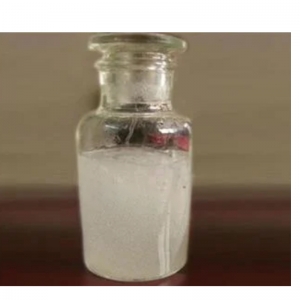
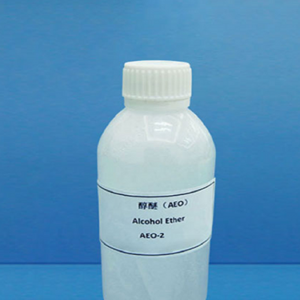
At room temperature, it is a light yellow transparent oily liquid with slightly improved hydrophilicity compared to AEO-1 and AEO-2, but still slightly weaker. It is slightly soluble in water and can form a turbid liquid after stirring; Easy to dissolve in organic solvents such as ethanol, ether, mineral oil, and oil systems.
The hydrophilic lipophilic balance (HLB) value is about 7-8, belonging to the water in oil (W/O) emulsifier, and also possessing a certain auxiliary ability for water in oil (O/W) emulsification.
performance parameters
Hydroxyl value: approximately 160-170 mgKOH/g
PH value (1% aqueous solution): 5.0~7.0 (neutral)
Hazen color: ≤ 30
Moisture content: ≤ 1.0%
Chemical stability and mildness
Acid resistant, alkali resistant, and hard water resistant, with stable performance within the pH range of 3-11. It is not easily degraded by polyoxyethylene chains at high temperatures (<120 ℃).
Low irritation to the skin and eyes, with a biodegradation rate of over 90%, meeting environmental standards.
2、 Main purpose
AEO-3 is rarely used alone and is mostly used as an emulsifier, dispersant, co solvent, and other surfactant in combination. Its application scenarios are concentrated in the industrial and daily chemical fields
Pesticide industry
As the core emulsifier of emulsion (EC), when combined with anionic emulsifiers such as sodium dodecylbenzenesulfonate, it can evenly disperse pesticide raw materials in the oil phase, form a stable emulsion system, and improve the storage stability and spraying effect of pesticides.
Textile and Leather Industry
Used as a fiber oil component, added to the spinning oil of synthetic fibers such as polyester and nylon, it has lubricating and anti-static effects, reducing fiber breakage and entanglement.
Emulsifying agents used as fatliquoring agents in leather processing help oil penetrate into the interior of leather fibers, enhancing the softness and glossiness of leather.
In the field of daily chemical and cosmetics
Used as an emulsifier in oil-based skincare products, makeup remover oils, and other products to improve the extensibility of the oil system and prevent product delamination; It can also be used as the cosolvent of essence and essential oil to improve the dispersity of oil soluble ingredients.
Metal processing and coating industry
Metal working fluid (cutting fluid, emulsified oil) is used as emulsion stabilizer to enhance the stability of lotion and avoid oil-water separation.
As a wetting and dispersing agent in the production of coatings and inks, it promotes the uniform dispersion of pigments and fillers, and enhances the leveling and adhesion of coatings.
Differences from similar low EO models.
|
Type
|
EO Bonus Number
|
Hlb Value
|
Water-Soluble
|
Core Functional Differences
|
|
AEO-1
|
1
|
4~6
|
Practically Insoluble
|
Strong oil solubility, only used as a W/O emulsifying agent
|
|
AEO-2
|
2
|
5~6
|
Difficult to dissolve in water
|
W/O emulsification, suitable for low moisture systems
|
|
AEO-3
|
3
|
7~8
|
Slightly soluble in water (turbid liquid)
|
W/O emulsification is the main method, which can assist in O/W emulsification and has a wider range of applications
|
 call us :
  send a message :





 online service


