 call us :
  send a message :





-
Cypermethrin CAS No.:52315-07-8
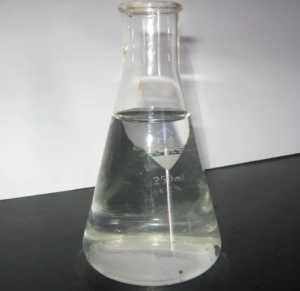
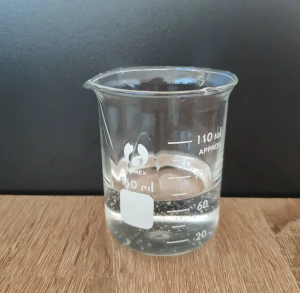
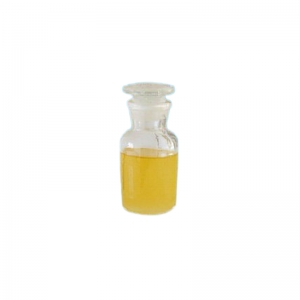
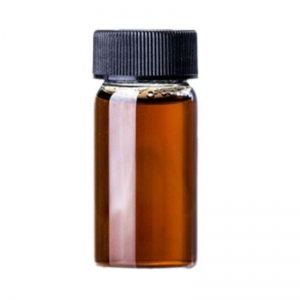
Product details Cypermethrin Chemical Name: (±)α-cyano-(3-phenoxy)benzy-(1R,S)-cis,trans 2,2-dimethyl-3-(2,2-dichlorovinyl) cyclopropanecarboxylate CAS No.:52315-07-8 Appearance: yellow to brownish-red viscous liqiud, turning into viscous semi-solid after long storage. Formula: C22H19Cl2NO3 Formula Weight: 416.35 Vapour Pressure:2.3*10-7Pa(20℃)Tags : Wholesale Cypermethrin Cypermethrin liquid insecticide Cypermethrin Cypermethrin raw material hot sale Cypermethrin Manufacture of Cypermethrin
-
Cyfluthrin CAS No.68359-37-5
Product details Cyfluthrin Chemical Name: (RS)-a-cyano-4-fluoro-3-phenoxybenzyl-(1RS.3RS;1RS,3RS)-3-(2,2-dichorovinyl)-2, 2-dimethylcyclopropanecarboxylate CAS No.:68359-37-5 Appearance: Brown,oily,viscous mass,with crystaline parts. Formula: C22H18Cl12FNO3 Molecular Weight: 434.3 Vapour Pressure:9.6*10-4mPa(20℃) Melting Point:60℃Tags : Insecticide Cyfluthrin Wholesale Cyfluthrin Manufacture of Cyfluthrin Hot Sale Cyfluthrin Cyfluthrin raw material Cyfluthrin 25kg/drum
-
Alpha-cypermethrin CAS No.:67375-30-8
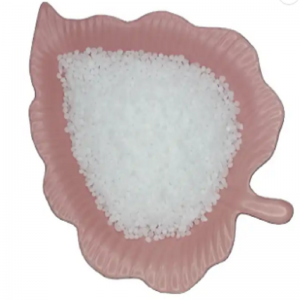
Product details Alpha-cypermethrin Chemical Name: racemate comprising(R)-a-cyano-3-phenoxybenzyl(1S,3S)-3-(2,2- dichloroethenyl)-2,2- dimethycyclopropanecarboxylate and(S)-a-cyano-3-phenoxybenzyl(1R,3R)-3-(2,2-dichlorovinyl)-2,2-dimethyl cyclopropanecarboxylate CAS No.:67375-30-8 Appearance: White to pale powder,with a weak aromatic odour Formula: C22H19Cl2NO3 Molecular Weight: 416.3 Vapour Pressure:2.3*10-2m Pa Boiling Point:200℃/9.3 Pa Melting Point:78-81 ℃Tags : Wholesale Alpha-cypermethrin Alpha-cypermethrin powder Alpha-cypermethrin raw material insecticide Alpha-cypermethrin Alpha-cypermethrin supplier Manufacturer of Alpha-cypermethrin
-
Nisin CAS:1414-45-5
Food additives Preservative Nisin Nisin CAS:1414-45-5 is white crystalline particle or crystalline powder, with slightly propionic acid odor. Stable to heat and light, easily soluble in water. Calcium acetate can be used in bread, cookie, cheese and other foods as preservative, as antiseptic in feed industry, and mineral additive. It can also used in pharma and feed industry. Specification: Nisin pharma grade Nisin Industrial grade Nisin Food grade * Please refer to Certificate of Analysis for lot specific data. Application: 1) Nisin is used in meat products, dairy products, canned products, seafood, beverage, fruit juice beverage, liquid egg and egg products, condiments, brewing technology, baked goods, convenience food, aromatic spices, cosmetics and other fields. 2) Nisin is a Adding into food can greatly reduce the sterilization temperature of food, shorten the sterilization time of food, so that the food can maintain the original nutritional composition, flavor, color 3) Nisin is in dairy products, meat products, fruit drinks, vegetable protein drinks, beer and other widely used. Lactostreptosin has been used in the following aspects: A. In dairy products, such as cheese, sterilized milk and flavored milk, the dosage is 1-10mg/kg. B. Used for canned food, such as pineapple, cherry, apple, peach, green bean canned and tomato sauce, the dosage is 2-2.5mg/kg. C. For cooked food, such as pudding 4) Nisin is a narrow-spectrum antimicrobial agent that only kills and inhibits gram-positive bacteria, not yeasts, Gram-negative bacteria, and molds. Our country specifies that can be used for meat products and dairy products, the maximum dosage is 0.5g/kg; Maximum use 0.2g/kg in vegetable protein drinks and cans. Packing: 25kg/bagTags : Nisin CAS:1414-45-5 Nisin factor food preservatives nisin from streptococcus lactis EINECS: 215-807-5
-
Citric acid CAS:77-92-9
Food additives Preservative Citric acid Citric acid CAS:77-92-9 is White translucent crystals or powder. Easily soluble in water and ethanol, soluble in ether.It is a natural component and intermediate product of physiological metabolism in animals and plants, and is also one of the most widely used organic acids in fields such as food, medicine, and chemical engineering. It is a colorless, transparent or semi transparent crystal, or a granular or particulate powder, odorless, and although it has a strong sour taste, it is pleasant with a slight aftertaste. Gradually weathered in warm air, slightly deliquescent in humid air. Specification: Citric acid pharma grade Citric acid Industrial grade Citric acid Food grade * Please refer to Certificate of Analysis for lot specific data. Application: 1)Widely used as an acid flavoring agent and pharmaceutical additive in food and beverages. It can also be used as raw materials and additives for cosmetics, metal cleaner, mordant, non-toxic plasticizer and boiler scale inhibitor. Its main salt products include sodium citrate, calcium, and ammonium salts. Sodium citrate is a blood anticoagulant, while ferric ammonium citrate can be used as a blood tonic. 2)Citric acid is the most functional and versatile acid flavoring agent. It has high solubility and strong chelating ability to metal ions, and can be used in various foods. It can be used in moderation according to production needs. In addition, this product can also be used as an antioxidant synergist, synergist for complex potato starch bleach, and preservative. 3) Used as experimental reagents, chromatographic analysis reagents, biochemical reagents, and also for the preparation of buffer solutions. Used in the food industry, especially as an acidifier, pH buffer, and as a preservative along with other compounds. In the detergent industry, it is an ideal substitute for phosphate. Boiler chemical cleaning acid cleaning agent, boiler chemical cleaning rinse agent. Mainly used as an acid flavoring agent for food, as well as in the preparation of pharmaceutical coolants and detergents 4)Mainly used as an acid flavoring agent for food, as well as in the preparation of pharmaceutical coolants, detergent additives, etc Packing: 25kg/bagTags : Citric acid CAS:77-92-9 food additive Citric acid factory acidulant 2-Hydroxy-1,2,3-propanetricarboxylic acid
-
Cetanol CAS NO.36653-82-4
Product details: Cetanol CAS NO. 36653-82-4 Payment:T/T Min order:1000kg Lead time:7-15 daysTags : Alcohol, C16 Cetanol CAS NO.36653-82-4 Cetanol CAS NO.36653-82-4 1-Hexadecanol Cetyl Alcohol
-
Cetearyl Alcohol(5:5) CAS NO.67762-27-0
Product details: Cetearyl Alcohol(5:5) CAS NO. 67762-27-0 Payment:T/T Min order:1000kg Lead time:7-15 daysTags : Wholesale Cetearyl Alcohol(5:5) high quality Cetearyl Alcohol(5:5) Cetearyl Alcohol(5:5) CAS NO.67762-27-0 Cetearyl Alcohol(5:5) CAS NO.67762-27-0 Cetearyl Alcohol(5:5)raw material
-
1-Octadecanol CAS No.112-92-5
Product details: 1-Octadecanol CAS NO. 112-92-5 Payment:T/T Min order:1000kg Lead time:7-15 daysTags : 1-Octadecanol CAS No.112-92-5 1-Octadecanol CAS No.112-92-5 Hot sale 1-Octadecanol high quality 1-Octadecanol 1-Octadecanol raw materials
-
2-Hydroxy Ethyl Methacrylate CAS: 868-77-9
Hydroxyethyl methacrylate (HEMA) is a non-toxic, harmless, and widely used reagent, commonly used for soft lens materials, lens materials, or as a monomer for preparing dense ceramics and glass. Polyhydroxyethyl methacrylate (PHEMA) is a promising biopolymer with significant inertness, biocompatibility, and insolubility. Method 1: Place 100 ml of toluene, 62.1 (1 mol) parts of ethylene glycol, and enzymes (Novozym 435, 0.04 parts, 0.01 parts of sodium carbonate, and 0.01 parts of hydroquinone manufactured by Novo) into a 1-liter glass flask connected to a cooling tube receiver (for measuring moisture) and a reflux side tube, and heat to 40 ° C. 72.1 parts (1mol) of acrylic acid were added in batches within 10 minutes, while stirring step by step. After completing the total addition, the mixture was stirred at the same temperature under reduced pressure of 10mPa. After the reaction, the target acrylate was obtained by filtering and separating the catalyst and additives. The time required for the reaction is approximately 6 hours. The yield and composition of the obtained acrylate were determined by gas chromatography (hereinafter abbreviated as GC). [0044] [Example 2] [0045] Except for changing 72.1 parts (1 mol) of acrylic acid to 86.1 parts (1 mol) of methacrylic acid in Example 1, the target compound was obtained in a similar manner to Example 1. The time required for the reaction is approximately 5 hours. The yield of hydroxyethyl methacrylate (HEMA) was 98.5% by gas chromatography. The synthesis is continuous as shown in Figure 1. Method 2: Add 31.05g ethylene glycol (EG, 0.5mol), 47.35g (0.55mol) methacrylic acid, 40g (inside, 22g water in the catalyst before use, 18g dry weight) strong acid ion exchange resin (Amberlite IR124: gel type, 12% cross-linking degree, no pore), 0.086g HO-TEMPO, 0.086g hydroquinone and 200g toluene into a 500ml glass flask equipped with Dean Stark device, cooling pipe, thermometer and air inlet pipe, Then heat and stir at 100 ℃, while using a pump to add water at a rate of 2g/h. The water formed in the reaction is azeotropic with toluene and removed through the Dean Stark device. After 5 hours, the conversion rate of hydroxyethyl methacrylate was 87.3%. The synthesis is continuous as shown in Figure 1. purpose Hydroxyethyl methacrylate is mainly used for modifying resins and coatings. Copolymerization with other acrylic monomers can produce acrylic resins with active hydroxyl groups in the side chains, which can undergo esterification and crosslinking reactions, synthesize insoluble resins, improve adhesion, and can be used as fiber treatment agents. It reacts with melamine formaldehyde (or urea formaldehyde) resin, epoxy resin, etc. to manufacture two component coatings. Adding it to high-end car paint can maintain the mirror gloss for a long time. It can also be used as an adhesive for synthetic textiles and as a medical polymer monomerTags : 2-Hydroxy Ethyl Methacrylate CAS: 868-77-9 C6H10O3 HEMA
-
2-hydroxy ethyl methacrylate CAS: 868-77-9
Hydroxyethyl methacrylate (HEMA) is a non-toxic, harmless, and widely used reagent, commonly used for soft lens materials, lens materials, or as a monomer for preparing dense ceramics and glass. Polyhydroxyethyl methacrylate (PHEMA) is a promising biopolymer with significant inertness, biocompatibility, and insolubility. Method 1: Place 100 ml of toluene, 62.1 (1 mol) parts of ethylene glycol, and enzymes (Novozym 435, 0.04 parts, 0.01 parts of sodium carbonate, and 0.01 parts of hydroquinone manufactured by Novo) into a 1-liter glass flask connected to a cooling tube receiver (for measuring moisture) and a reflux side tube, and heat to 40 ° C. 72.1 parts (1mol) of acrylic acid were added in batches within 10 minutes, while stirring step by step. After completing the total addition, the mixture was stirred at the same temperature under reduced pressure of 10mPa. After the reaction, the target acrylate was obtained by filtering and separating the catalyst and additives. The time required for the reaction is approximately 6 hours. The yield and composition of the obtained acrylate were determined by gas chromatography (hereinafter abbreviated as GC). [0044] [Example 2] [0045] Except for changing 72.1 parts (1 mol) of acrylic acid to 86.1 parts (1 mol) of methacrylic acid in Example 1, the target compound was obtained in a similar manner to Example 1. The time required for the reaction is approximately 5 hours. The yield of hydroxyethyl methacrylate (HEMA) was 98.5% by gas chromatography. The synthesis is continuous as shown in Figure 1. Method 2: Add 31.05g ethylene glycol (EG, 0.5mol), 47.35g (0.55mol) methacrylic acid, 40g (inside, 22g water in the catalyst before use, 18g dry weight) strong acid ion exchange resin (Amberlite IR124: gel type, 12% cross-linking degree, no pore), 0.086g HO-TEMPO, 0.086g hydroquinone and 200g toluene into a 500ml glass flask equipped with Dean Stark device, cooling pipe, thermometer and air inlet pipe, Then heat and stir at 100 ℃, while using a pump to add water at a rate of 2g/h. The water formed in the reaction is azeotropic with toluene and removed through the Dean Stark device. After 5 hours, the conversion rate of hydroxyethyl methacrylate was 87.3%. The synthesis is continuous as shown in Figure 1. purpose Hydroxyethyl methacrylate is mainly used for modifying resins and coatings. Copolymerization with other acrylic monomers can produce acrylic resins with active hydroxyl groups in the side chains, which can undergo esterification and crosslinking reactions, synthesize insoluble resins, improve adhesion, and can be used as fiber treatment agents. It reacts with melamine formaldehyde (or urea formaldehyde) resin, epoxy resin, etc. to manufacture two component coatings. Adding it to high-end car paint can maintain the mirror gloss for a long time. It can also be used as an adhesive for synthetic textiles and as a medical polymer monomer -
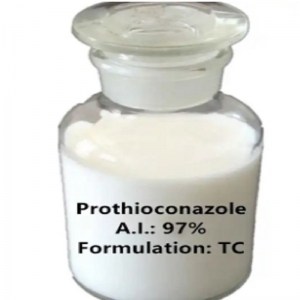
Prothioconazole CAS NO.178928-70-6
Product Name:prothioconazole CAS NO. 178928-70-6 Payment:T/T Min order:1000kg Lead time:7-15 daysTags : 178928-70-6 Prothioconazole High purity Prothioconazole Fungicide Prothioconazole High effective Prothioconazole Factory price Prothioconazole
-
Hexamethyldisilazane(HMDZ) CAS NO: 999-97-3
Product name: Hexamethyldisilazane(HMDZ) CAS NO: 999-97-3 Assay: 99% Instruction for use: organic intermediate MF:C6H19NSi2 EIENECS NO:213-668-5Tags : Hexamethyldisilazane Quality service Hexamethyldisilazane CAS NO: 999-97-3 HMDZ Fast delivery Hexamethyldisilazane Factory direct sales Hexamethyldisilazane
 online service


