Application

New Products

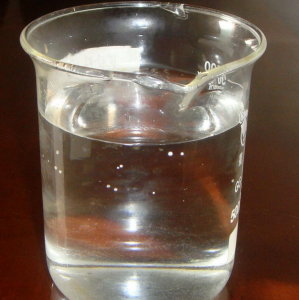
  • Trimethylchlorosilane (TMCS)  CAS :75-77-4

    Trimethylchlorosilane (TMCS) CAS :75-77-4

    Name: Chlorotrimethylsilane CAS number: 75-77-4 Molecular formula: C3H9ClSi Molecular weight: 108.64 EINECS number: 200-900-5 Mol file: 75-77-4.mol
  • Trimethylethoxysilane CAS :1825-62-3

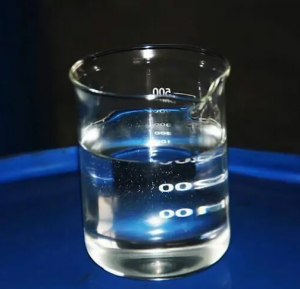
    Trimethylethoxysilane CAS :1825-62-3

    Name: Ethoxytrimethylsilane CAS number: 1825-62-3 Molecular formula: C5H14OSi Molecular weight: 118.25 EINECS number: 217-370-6 Mol file: 1825-62-3.mol
  • Dimethyldimethoxysilane CAS1112-39-6 DMDMS

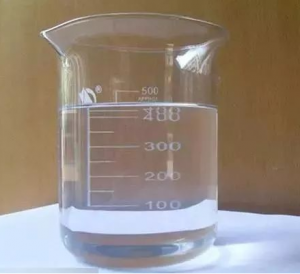
    Dimethyldimethoxysilane CAS1112-39-6 DMDMS

    Specification English name: Dimethyldimethoxysilane CAS number: 1112-39-6 Molecular formula: C4H12O2Si Molecular weight: 120.22 EINECS number: 214 189 4 Mol file: 1112-39-6.mol Applications As a structural control agent, chain extender, and filler treatment agent, it is widely used in the treatment of organic silica gel and white carbon black Purpose As a structural control agent, chain extender, and filler treatment agent, it is widely used in the treatment of organic silica gel and white carbon black. This product is used as a structural control agent and chain extender to improve mechanical processing performance, extend the storage time of rubber blends, and can replace hydroxyl silicone oil for use. Widely used in the treatment of organic silicone and white carbon black Purpose Dimethyldimethoxysilane is used as a structural control agent and chain extender to improve mechanical processing performance, extend the storage time of rubber blends, and can replace hydroxy silicone oil....
  • Iodotrimethylsilane CAS:16029-98-4 (TMIS)

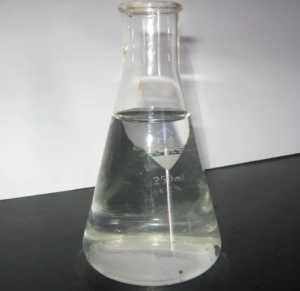
    Iodotrimethylsilane CAS:16029-98-4 (TMIS)

    Properties of trimethyliodosilane Melting point<0 ° C Boiling point 106 ° C (lit.) Density 1.406 g/mL at 25 ° C (lit.) Refractive index n20/D 1.471 (lit.) Flash point − 25 ° F Storage conditions -20 ° C Solubility Reacts Form Liquid Specific gravity 1.47 Clear colors to reddish Water solubility reactions Sensitivity: Moisture&Light Sensitivity Hydrolysis sensitivity 8: Reacts quickly with moisture, water, protoc solvents BRN 1731136 Stability Sensitivity (Reactive) InchiKey CSRZQMIRAZTJOY-UHFFFFAOYSA-N CAS Database 16029-98-4 (CAS DataBase Reference) NIST Chemical Information Iodotrimethylsilane (16029-98-4) EPA Chemical Information Silane, iodotrimethyl - (16029-98-4)
  • Hexamethyldisilane CAS:1450-14-2 (HMD)

    Hexamethyldisilane CAS:1450-14-2 (HMD)

    Properties of Hexamethyldisilane Melting point 9-12 ° C (lit.) Boiling point 112-114 ° C (lit.) Density 0.715 g/mL at 25 ° C (lit.) Refractive index n20/D 1.422 (lit.) Flash point 29 ° F Storage conditions Store at<=20 ° C Sol common organic solvents; Insul H2O Form liquid Specific gravity 0.729 Colorless Insoluble in water Double in alcohol, ether and acetone Hydrolysis sensitivity 1: no significant reaction with acute systems BRN 1633463 Stability InchiKey NEXSMEBSBIABKL-UHFFFAOYSA-N CAS Database 1450-14-2 (CAS DataBase Reference) NIST Chemical Substance Information Disilane, hexagonal - (1450-14-2) EPA Chemical Substance Information Disilane, hexagonal - (1450-14-2)
  • Hexamethyldisiloxane CAS:107-46-0

    Hexamethyldisiloxane CAS:107-46-0

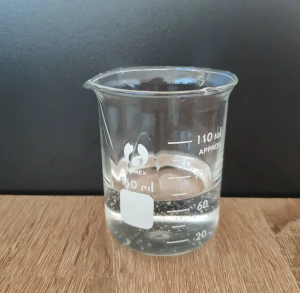
    Introduction:  Hexamethyldisiloxane (silicone ether, MM sealing agent) is a colorless and transparent liquid that is prone to deliquescence. Insoluble in water, soluble in various organic solvents. Used as silicone oil, silicone rubber, pharmaceuticals, gas chromatography stationary liquids, analytical reagents, hydrophobic agents, etc. Obtained by hydrolysis of trimethylchlorosilane.  The physical properties of hexamethyldisiloxane  colorless and transparent liquids. Easily deliquescent, flammable, and in contact with high heat, open flames, and strong oxidizing agents, there is a risk of combustion. Boiling point 99.5 ℃. Flash point -1.1 ℃. Relative density (d2525) 0.7606. The refractive index is 1.3750. Insoluble in water, soluble in various organic solvents.  Hexamethyldisiloxane is an important primary organic silicon raw material, often used as a capping agent in the production of silicone oil, or as a cleaning agent for silicone rubber, pharmaceuticals, gas c...

latest news

Anhui Techchem Industrial Co.,Ltd. will participate in the Shanghai CPHI China 2026 exhibition.

Anhui Techchem Industrial Co.,Ltd. will participate in the Shanghai CPHI China 2026 exhibition.

Anhui Techchem Industrial Co.,Ltd. will participate in the Shanghai CPHI China 2026 exhibition. The 24th CPHI China 2026 will grandly kick off at the Shanghai New International Expo Center from June 1...

Classification and application of magnesium carbonate
2022-05-31
Magnesium carbonate is widely used, and magnesium carbonate is used in the pigment, paint and ink industries. According to the needs of these industrial products, magnesium carbonate is used to produce high-purity magnesium compounds. At the same time, magnesium carbonate is also used in refractory materials, fire extinguishing agents, floors and insulation materials. In the plastics and rubber industries, magnesium carbonate is used as a filler and smoke suppressant. In addition, there are minor applications in the production of glass, ceramics, chemicals and fertilizers. CPU grade magnesium carbonate can also be used as a salt additive, a powder blowing agent, and an antacid in toothpaste and biscuits.

Basic magnesium carbonate is mainly used as a flour improver. In the scientific formulation of flour improvers, basic magnesium carbonate is an important auxiliary ingredient. Its important role is to improve the dispersion and fluidity of flour improvers. It is an anti-caking and loosening agent. The content of flour improver is generally 10%-15%. Have good liquidity. The MgO content should be between 40%-43%, the water content should be less than 1%, and the apparent specific volume should be between 1.4-2.5ml/g. In addition, it can also be used in food, cosmetics and medicine.

In addition to being used as a raw material for electronic components, electronic grade basic magnesium carbonate is also an important raw material for the preparation of high-purity magnesium oxide, ink, fine ceramics, medicine, cosmetics, toothpaste, pigments, etc. The added value of electronic materials is very high.

Transparent magnesium carbonate is mainly used as filler and reinforcing agent for transparent or light-colored rubber products. After mixing with rubber, the refractive index of the rubber itself will hardly be changed, and the abrasion resistance, bending elasticity and tensile strength of the rubber can be improved. It can be used as an additive for paints, inks and coatings. It can also be used in the toothpaste, pharmaceutical and cosmetic industries.

Magnesium carbonate is a white powder containing magnesium and weakly basic inorganic compounds. Magnesium carbonate is chemically stable, non-toxic, odorless and non-flammable. It reacts with acids more acidic than carbonic acid to form salts, carbon dioxide, and other substances that are sparingly soluble in water and liquid ammonia. Gymnasts, weightlifters, and rock climbers often rub magnesium carbonate (commonly known as "magnesium powder") to keep their hands dry due to magnesium carbonate's absorption of water and oil, but magnesium carbonate may cause skin irritation in some people. In addition, magnesium carbonate can also be used as an antacid and other gastrointestinal related drugs. Due to the relatively small relative density of magnesium carbonate, it can be added to rubber products as a filler and reinforcing agent. Magnesium carbonate also has a relatively low burn point and relatively easy texture. This feature can be well used in fire and heat insulation materials, which play the role of heat insulation and high temperature resistance. In addition, magnesium carbonate can also be used as an excellent insulating material in the shipbuilding and boiler industries.

In addition to the above-mentioned industries, magnesium carbonate also plays a role in many industrial fields. With the continuous updating of the production process of magnesium carbonate, more functions of magnesium carbonate will be discovered, which will greatly reduce the use cost of magnesium carbonate and be more widely used in various industrial fields. Although magnesium carbonate itself is not toxic, some people may be allergic to it. Long-term or excessive use and exposure may affect the nervous system, suffer from depression and cardiac insufficiency.
 
chat now please click here for inquiry
If you have questions or suggestions,please leave us a message,your inquiry will be replied within 12 hours.