Application

New Products

  • Trimethylchlorosilane (TMCS)  CAS :75-77-4

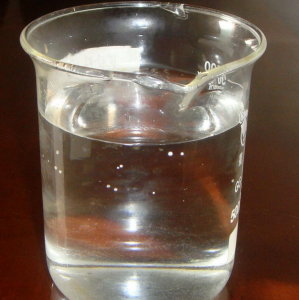
    Trimethylchlorosilane (TMCS) CAS :75-77-4

    Name: Chlorotrimethylsilane CAS number: 75-77-4 Molecular formula: C3H9ClSi Molecular weight: 108.64 EINECS number: 200-900-5 Mol file: 75-77-4.mol
  • Trimethylethoxysilane CAS :1825-62-3

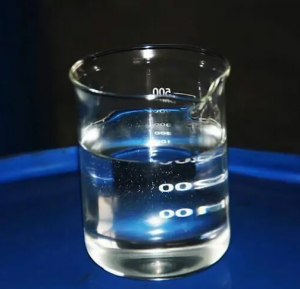
    Trimethylethoxysilane CAS :1825-62-3

    Name: Ethoxytrimethylsilane CAS number: 1825-62-3 Molecular formula: C5H14OSi Molecular weight: 118.25 EINECS number: 217-370-6 Mol file: 1825-62-3.mol
  • Dimethyldimethoxysilane CAS1112-39-6 DMDMS

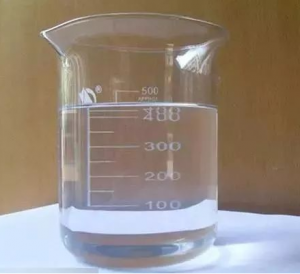
    Dimethyldimethoxysilane CAS1112-39-6 DMDMS

    Specification English name: Dimethyldimethoxysilane CAS number: 1112-39-6 Molecular formula: C4H12O2Si Molecular weight: 120.22 EINECS number: 214 189 4 Mol file: 1112-39-6.mol Applications As a structural control agent, chain extender, and filler treatment agent, it is widely used in the treatment of organic silica gel and white carbon black Purpose As a structural control agent, chain extender, and filler treatment agent, it is widely used in the treatment of organic silica gel and white carbon black. This product is used as a structural control agent and chain extender to improve mechanical processing performance, extend the storage time of rubber blends, and can replace hydroxyl silicone oil for use. Widely used in the treatment of organic silicone and white carbon black Purpose Dimethyldimethoxysilane is used as a structural control agent and chain extender to improve mechanical processing performance, extend the storage time of rubber blends, and can replace hydroxy silicone oil....
  • Iodotrimethylsilane CAS:16029-98-4 (TMIS)

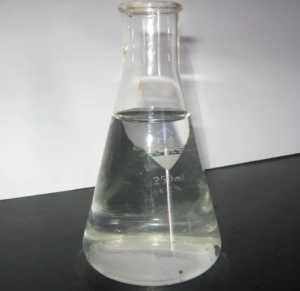
    Iodotrimethylsilane CAS:16029-98-4 (TMIS)

    Properties of trimethyliodosilane Melting point<0 ° C Boiling point 106 ° C (lit.) Density 1.406 g/mL at 25 ° C (lit.) Refractive index n20/D 1.471 (lit.) Flash point − 25 ° F Storage conditions -20 ° C Solubility Reacts Form Liquid Specific gravity 1.47 Clear colors to reddish Water solubility reactions Sensitivity: Moisture&Light Sensitivity Hydrolysis sensitivity 8: Reacts quickly with moisture, water, protoc solvents BRN 1731136 Stability Sensitivity (Reactive) InchiKey CSRZQMIRAZTJOY-UHFFFFAOYSA-N CAS Database 16029-98-4 (CAS DataBase Reference) NIST Chemical Information Iodotrimethylsilane (16029-98-4) EPA Chemical Information Silane, iodotrimethyl - (16029-98-4)
  • Hexamethyldisilane CAS:1450-14-2 (HMD)

    Hexamethyldisilane CAS:1450-14-2 (HMD)

    Properties of Hexamethyldisilane Melting point 9-12 ° C (lit.) Boiling point 112-114 ° C (lit.) Density 0.715 g/mL at 25 ° C (lit.) Refractive index n20/D 1.422 (lit.) Flash point 29 ° F Storage conditions Store at<=20 ° C Sol common organic solvents; Insul H2O Form liquid Specific gravity 0.729 Colorless Insoluble in water Double in alcohol, ether and acetone Hydrolysis sensitivity 1: no significant reaction with acute systems BRN 1633463 Stability InchiKey NEXSMEBSBIABKL-UHFFFAOYSA-N CAS Database 1450-14-2 (CAS DataBase Reference) NIST Chemical Substance Information Disilane, hexagonal - (1450-14-2) EPA Chemical Substance Information Disilane, hexagonal - (1450-14-2)
  • Hexamethyldisiloxane CAS:107-46-0

    Hexamethyldisiloxane CAS:107-46-0

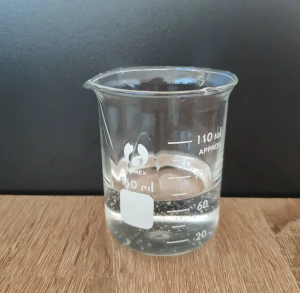
    Introduction:  Hexamethyldisiloxane (silicone ether, MM sealing agent) is a colorless and transparent liquid that is prone to deliquescence. Insoluble in water, soluble in various organic solvents. Used as silicone oil, silicone rubber, pharmaceuticals, gas chromatography stationary liquids, analytical reagents, hydrophobic agents, etc. Obtained by hydrolysis of trimethylchlorosilane.  The physical properties of hexamethyldisiloxane  colorless and transparent liquids. Easily deliquescent, flammable, and in contact with high heat, open flames, and strong oxidizing agents, there is a risk of combustion. Boiling point 99.5 ℃. Flash point -1.1 ℃. Relative density (d2525) 0.7606. The refractive index is 1.3750. Insoluble in water, soluble in various organic solvents.  Hexamethyldisiloxane is an important primary organic silicon raw material, often used as a capping agent in the production of silicone oil, or as a cleaning agent for silicone rubber, pharmaceuticals, gas c...

latest news

Anhui Techchem Industrial Co.,Ltd. will participate in the Shanghai CPHI China 2026 exhibition.

Anhui Techchem Industrial Co.,Ltd. will participate in the Shanghai CPHI China 2026 exhibition.

Anhui Techchem Industrial Co.,Ltd. will participate in the Shanghai CPHI China 2026 exhibition. The 24th CPHI China 2026 will grandly kick off at the Shanghai New International Expo Center from June 1...

25-hydroxyvitamin D3
2022-04-11
25-hydroxyvitamin D3 is derived from the active metabolite precursor vitamin D3 by adding a hydroxyl group to the 25 carbon atom, and through a series of biochemical reactions in the body, through the 25-hydroxylase hydroxylation conversion in the mitochondria of stem cells. The obtained substance has biological activity and can be widely used in the fields of medicine, health care products, feed and the like.
physicochemical properties

Properties: white to off-white powder or crystal, insoluble in water, soluble in polar organic solvents such as ethanol, sensitive to light, heat and gas

Melting point: 74℃~76℃

Boiling point: 529.2℃

Flash point: 14℃

Density: 1.01±0.1 g/cm3

Security Information

Dangerous goods signs: T+, F

Hazard category code: 28-48/25-26-24/25-11

Safety Instructions: 28-36/37-45-16-7

Dangerous Goods Transport Number: UN28116.1/PG2

WGK Germany: 3

F: 8-10-19

HazardClass: 6.1

PackingGroup: Ⅱ

Customs code: 29362900

resolve resolution

1. Dissolve 25-hydroxy-7-dehydrocholesterol as a raw material in a mixed solvent system containing a polar solution and a non-polar solution, add antioxidants, and react with light;

2. After the reaction, 25-hydroxy-7-dehydrocholesterol is separated and recovered;

3. The remaining reactants separated and recovered are successively subjected to heating isomerization, freezing and recrystallization to obtain 25-hydroxyvitamin D3 crystals.

Functional application

1. 25-Hydroxyvitamin D3 can play a role in regulating cellular immunity, has a strong regulatory effect on humoral immunity and antibody secretion, and can effectively improve immune system function and enhance resistance to disease by regulating the immune system;

2. 25-hydroxyvitamin D3 can improve the absorption of calcium and phosphorus;

3. As an important nutrient for maintaining bone health, 25-hydroxyvitamin D3 can significantly reduce the lethality, teratogenicity and disability rate of laying hens, and improve the feeding effect;

4. 25-hydroxyvitamin D3 can improve the taste and color of poultry meat.

Difference Between 25-Hydroxyvitamin D3 and Regular Vitamin D3

1. Different biological activities: Vitamin D3 is a derivative of cholesterol and is a prerequisite for active metabolites in the body, while 25-hydroxyvitamin D3 is obtained from the transformation of vitamin D3 and has high biological activity;

2. Different storage sites: the absorbed vitamin D3 is mainly stored in the liver, plasma, muscle, and fat, and 25-hydroxyvitamin D3 is mainly stored in the liver;

3. Different water solubility: The water solubility of 25-hydroxyvitamin D3 is stronger than that of vitamin D3, and in general, the content of 25-hydroxyvitamin D3 in serum is 3.1 times that of vitamin D3;

4. The difficulty of absorption is different: the absorption rate of 25-hydroxyvitamin D3 is higher than that of pure vitamin D3, and it can bypass the liver transformation and enter the blood circulation quickly and efficiently.

Indications: 25-hydroxyvitamin D3 can play a positive role in osteomalacia, osteoporosis, rickets and other metabolic bone diseases and hypocalcemia caused by hemodialysis.

Precautions for use

1. Do not use 25-hydroxyvitamin D3 in excess, so as not to cause increased blood calcium, or even poisoning, symptoms such as fatigue, nausea, weakness, vomiting, diarrhea, decreased appetite, and severe fever, dehydration, and growth retardation. , epilepsy, etc., ectopic calcifications and kidney stones appear in the lungs, brain, kidneys, pancreas and other organs;

2. Patients who have used digitalis should use 25-hydroxyvitamin D3 with caution to avoid cardiac arrhythmia caused by increased blood calcium;

3. During the adjustment of the dose of 25-hydroxyvitamin D3, blood calcium should be monitored regularly, and if it increases, it should be stopped immediately;

4. The absorption efficiency of 25-hydroxyvitamin D3 is high, and the peak serum concentration can be reached in 4 to 8 hours;

5. The transport of 25-hydroxyvitamin D3 must be combined with protein, and the half-life is about 16 days.
 
chat now please click here for inquiry
If you have questions or suggestions,please leave us a message,your inquiry will be replied within 12 hours.